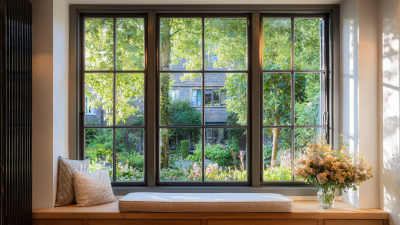
As we approach 2025, the window industry is poised for a significant transformation, particularly with the emergence of advanced Float Windows. According to a recent market analysis by MarketsandMarkets, the global window market is projected to reach over $250 billion by 2025, driven by innovations in design, energy efficiency, and the overall integration of smart technologies. Float Windows, characterized by their seamless, expansive glass surfaces, are becoming increasingly popular among architects and builders, facilitating modern aesthetics while enhancing natural light within spaces.
Current trends in the building sector highlight a growing consumer preference for sustainable materials and eco-friendly solutions, leading to a surge in demand for Float Windows. The 2021 Global Energy Outlook by the International Energy Agency indicates that energy-efficient window solutions could lead to a 30% reduction in heating and cooling costs for residential and commercial properties. This shift is not only about functional benefits but also about the contribution these Float Windows make towards reducing carbon footprints, aligning with global sustainability goals.
In addition to sustainability, the incorporation of smart glass technologies within Float Windows offers another layer of innovation. These advancements allow for variable transparency and improved thermal insulation, responding dynamically to environmental changes. As we delve into the top Float Windows of 2025, it’s essential to explore these trends and innovations that are shaping the future of our living and working environments, reflecting a blend of functionality, aesthetics, and sustainability.

Emerging Trends in Float Window Design for 2025
As we look ahead to 2025, the float window design landscape is poised for significant transformation. The emphasis on sustainability is leading to innovative materials and construction methods that not only enhance the aesthetics of float windows but also promote energy efficiency. Designers are prioritizing eco-friendly solutions, utilizing recycled materials and advanced glass technologies that minimize energy loss while maximizing natural light.
One emerging trend is the incorporation of smart technology into float windows. These smart windows can adjust their tint to regulate indoor temperatures based on sunlight exposure, providing better comfort while reducing energy costs. Additionally, integration with home automation systems allows users to control their windows remotely, further enhancing usability and control over their living environments.
**Tips for Future Float Window Design:**
- Consider energy-efficient glazing options to enhance thermal performance.
- Explore designs that incorporate natural elements to create a seamless indoor-outdoor experience.
- Invest in smart technologies to stay ahead of consumer preferences and enhance user convenience.
With these trends in mind, float window designs in 2025 are set to elevate not only the functionality of spaces but also their overall aesthetic appeal, making them a focal point in modern architecture.
Technological Innovations Shaping the Future of Float Windows
The float window industry is undergoing a remarkable transformation driven by technological innovations that promise to redefine not only aesthetics but also functionality. As we approach 2025, advancements such as smart glazing technologies are emerging, enabling windows to adapt to various environmental conditions. These dynamic glazing solutions can alter their transparency, allowing for optimal light regulation and energy efficiency. By incorporating sensors that respond to sunlight intensity and temperature, float windows will play a crucial role in enhancing living spaces while reducing energy consumption.
Additionally, the integration of augmented reality (AR) in the design and installation of float windows marks a significant leap forward. Architects and homeowners can visualize how different window styles and features will look in real time, leading to more informed design choices. This not only streamlines the planning process but also fosters greater creativity in architectural design. Moreover, innovations in manufacturing techniques are making float windows lighter yet more durable, ensuring they withstand various climatic conditions while also facilitating easier installation. As these trends continue to evolve, the float window market is set to offer a more sustainable, user-friendly approach to modern architecture and interior design.
Sustainability Practices in the Float Window Industry
The float window industry is experiencing a significant shift towards sustainability, driven by rising environmental awareness and regulatory pressures. In 2023, a report from the International Energy Agency noted that the building sector accounts for nearly 40% of global energy-related carbon dioxide emissions. As a response, manufacturers are innovating processes and materials that minimize environmental impact. For instance, the use of recycled glass in float window production is increasing, with estimates suggesting that by 2025, over 50% of new float windows will incorporate recycled materials, reducing landfill waste and the carbon footprint associated with raw material extraction.
In addition to materials, production processes are also evolving.  Advances in energy-efficient manufacturing techniques are reducing energy consumption by as much as 30%. This not only lowers production costs but also aligns with global sustainability goals. Furthermore, the industry is utilizing renewable energy sources, such as solar and wind, to power their facilities, as indicated by a recent survey where 40% of manufacturers reported a shift towards renewable energy solutions. As these practices become more prevalent, they are paving the way for a greener future in the float window sector, positioning the industry as a leader in sustainable building practices.
The Role of Aesthetic Elements in Modern Float Windows
In recent years, the aesthetic elements of float windows have transformed into a pivotal component of modern architectural design. These windows are no longer just functional openings but serve as artistic expressions that enhance the overall visual appeal of a space. Designers are increasingly focusing on how the interplay of light, shapes, and materials can create inviting atmospheres. For instance, using large panes of glass allows maximum light penetration, creating a seamless connection between indoor and outdoor environments, which is a sought-after feature in contemporary homes.
Tips: When choosing float windows, consider the orientation of your space to maximize natural light. Incorporating operable windows can add functional beauty, allowing for ventilation while maintaining an elegant look.
Moreover, the integration of aesthetic elements in float windows often inspires different styles, from minimalist to more ornate designs. The choice of framing materials, colors, and finishes plays a crucial role in expressing personal style while reflecting the surrounding architecture. A well-designed float window can act as a stunning focal point, drawing attention and admiration while elevating the entire room's character.
Tips: Experiment with various materials like aluminum or wood for framing to find the perfect match that complements your interior design theme. Additionally, considering energy-efficient glass options can enhance the aesthetics without sacrificing performance.
Exploring the 2025 Top Float Windows: Trends and Innovations Explained - The Role of Aesthetic Elements in Modern Float Windows
| Trend/Innovation |
Description |
Aesthetic Element |
Impact on Design |
| Smart Glass Technology |
Electrochromic glass adjusts tint based on sunlight. |
Dynamic Color Change |
Enhances visual comfort and energy efficiency. |
| Biophilic Design |
Incorporating natural elements into window design. |
Natural Textures |
Creates a connection to nature and improves well-being. |
| Sustainable Materials |
Use of recycled and eco-friendly materials in float windows. |
Eco-conscious Design |
Promotes sustainability and attracts eco-minded consumers. |
| Customization Options |
Tailoring window designs to client specifications. |
Personalized Aesthetics |
Enhances architectural diversity and personal expression. |
| High-Performance Glazing |
Triple-glazing technology for improved insulation. |
Sophisticated Clarity |
Enhances outdoor views while maintaining energy efficiency. |
Energy Efficiency Standards for Float Windows in 2025
As we approach 2025, the importance of energy efficiency in building materials, particularly float windows, is becoming increasingly paramount. New energy efficiency standards aim to reduce energy consumption and promote sustainability in architecture. These regulations will likely emphasize improved thermal performance, reducing heat loss in colder months and minimizing heat gain during the summer. Innovations in technology, such as advanced framing techniques and low-emissivity (Low-E) coatings, are expected to play a crucial role in meeting these standards, providing homeowners and businesses with options that offer both environmental benefits and cost savings.
When selecting float windows for your project, consider these tips to enhance energy efficiency. First, look for windows that feature triple glazing, as they provide superior insulation compared to traditional double-glazed units. Second, pay attention to the frame materials; fiberglass and uPVC offer better thermal performance compared to aluminum. Finally, ensure proper installation, as even the highest quality windows can fail to perform if not installed correctly. By focusing on these elements, you can align with the 2025 energy efficiency standards while contributing to a more sustainable future.
In addition to the physical attributes of float windows, it’s vital to stay informed about local building codes and regulations regarding energy efficiency. Engaging with professionals who are knowledgeable about the latest industry trends can also provide you with additional insights into making informed decisions that comply with upcoming standards. Adapting to these changes now can not only enhance the comfort of living spaces but also significantly reduce energy bills, illustrating the inherent value of investing in high-quality, energy-efficient float windows.
Market Analysis: Consumer Preferences and Float Window Features
As the market for float windows evolves, consumer preferences are increasingly shaping the design and functionality of these innovative products. One prominent trend is the growing demand for energy-efficient features, as environmental consciousness becomes a priority for many homeowners. Consumers are looking for float windows that not only enhance the aesthetics of their living spaces but also contribute to sustainable energy use. This has led manufacturers to explore advanced glazing technologies and insulation materials that minimize heat loss while maximizing natural light.
Another significant consumer preference emerging in the float window market is customization. Today's buyers are keen on tailored solutions that cater to their specific needs and style preferences. This shift has driven innovations in both design and manufacturing processes, allowing for a broader range of shapes, sizes, and finishes than ever before. Additionally, the integration of smart technology is becoming commonplace, providing features such as automatic tinting and remote control operations. As these trends gain traction, float window manufacturers will need to continue adapting to meet the evolving demands of a more discerning customer base.
Future Challenges Facing the Float Window Market in 2025
As we look toward 2025, the float window market is poised for significant challenges that could reshape its landscape. One of the primary concerns is the increasing demand for sustainable and energy-efficient solutions. According to a recent global market report, the float window sector is expected to witness a compound annual growth rate (CAGR) of 5.2% over the next few years, driven largely by consumer preferences shifting towards eco-friendly products. This trend emphasizes the need for manufacturers to innovate in the area of materials and production processes to meet environmental standards while also catering to aesthetic needs.
Moreover, the float window market is grappling with supply chain disruptions which have been exacerbated by geopolitical tensions and the residual effects of the pandemic. Industry analysts have noted that these disruptions could lead to increased production costs and delays, impacting pricing strategies for manufacturers and retailers alike. Furthermore, a report by the International Glass Association highlights that approximately 30% of companies in the float window market are considering diversifying their supply chains to mitigate these risks. The shift towards locally sourced materials and production capabilities may become a critical factor in maintaining market competitiveness in 2025 and beyond. As players in this space navigate these complexities, their ability to adapt and innovate will ultimately determine their success.
FAQS
: Key trends include a focus on sustainability, the use of innovative materials and construction methods, smart technology integration, and a design that enhances natural light while improving energy efficiency.
Smart technologies allow float windows to adjust their tint based on sunlight exposure, helping to regulate indoor temperatures and reduce energy costs. They can also be controlled remotely through home automation systems.
The float window industry is shifting towards sustainability by increasing the use of recycled materials, advancing energy-efficient manufacturing techniques, and utilizing renewable energy sources for production.
By 2025, it's estimated that over 50% of new float windows will incorporate recycled glass, which helps reduce landfill waste and the carbon footprint associated with raw material extraction.
Dynamic glazing technologies enable float windows to change transparency based on environmental conditions, optimizing light regulation and enhancing energy efficiency.
AR allows architects and homeowners to visualize different window styles and features in real-time, leading to better design choices and a more creative planning process.
Innovations are making float windows lighter yet more durable, which not only facilitates easier installation but also ensures resilience against various climatic conditions.
These techniques can reduce energy consumption by up to 30%, lowering production costs while meeting global sustainability goals.
The building sector accounts for nearly 40% of global energy-related carbon dioxide emissions, prompting the float window industry to adopt more sustainable practices.
This shift positions the float window industry as a leader in sustainable building practices and paves the way for a greener future in the sector.
Conclusion
The article "Exploring the 2025 Top Float Windows: Trends and Innovations Explained" delves into the emerging trends and technological advancements shaping the future of float windows. It highlights innovative designs that prioritize sustainability and aesthetic appeal while meeting the energy efficiency standards expected in 2025. The float window industry is witnessing a shift towards environmentally friendly practices, appealing to consumer preferences that demand both functionality and style.
Additionally, the analysis covers market dynamics that influence consumer choices, such as the desired features of float windows. As the industry evolves, it faces challenges that require adaptability to meet changing market demands. Overall, the article provides a comprehensive overview of the key developments in float windows, setting the stage for their growth and transformation in the coming years.
 +0086-157 7552 3339
  info@leawod.com