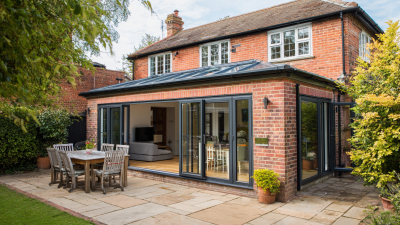
So, have you heard about the 'Anti-Howling Window'? It's honestly pretty cool tech that's really making a difference when it comes to cutting down unwanted noise—something a lot of us struggle with in different spaces. According to the folks over at the Acoustical Society of America, good noise control can boost your focus and productivity by as much as 30%. That’s pretty impressive, right? This innovation really shows how far modern acoustical engineering has come and how it actually fits into our daily lives.
Dr. Emily Carter, who's a big name in acoustic design at Sound Solutions Inc., mentioned that the Anti-Howling Window is a major step forward when it comes to managing sound. Honestly, it's especially useful in busy city areas where noise can get pretty overwhelming. The window uses some pretty advanced materials and design tricks to tame echoes and cut down on unwanted feedback noises.
Of course, it’s not all smooth sailing. Installing these windows can be quite tricky and might turn some folks off if they’re not into complex setups. Plus, if you’re not careful with maintenance, the performance might start to slide over time. And yeah, people are also thinking a lot about whether it’s worth the cost versus what it actually does. Still, overall, the Anti-Howling Window is a pretty exciting example of how we're working to make indoor spaces more peaceful and harmonious.

What is the Anti Howling Window?
The Anti Howling Window is an innovative technology designed to reduce excessive noise in communication devices. It addresses a common problem where feedback loops can create annoying howling sounds during calls. Such interruptions can disrupt conversations and hinder effective communication.
This system includes advanced algorithms that intelligently detect and counteract the effects of feedback noise. When a sound wave bounces back and forth between a microphone and a speaker, the window minimizes this effect. Imagine the frustration of trying to talk while the howling persists; this technology tries to solve that. However, achieving perfection is challenging. Sometimes, it may not respond as quickly as needed, leading to brief lapses in clarity.
Another aspect to consider is the adaptability of the Anti Howling Window. It must learn to adjust to different environments and sound profiles. This can take time, especially in settings filled with background noise. The balance between noise reduction and maintaining sound quality can be tricky. Users may find themselves in situations where adjustments are needed, prompting reflection on the technology's effectiveness.
The Functionality of the Anti Howling Window
The Anti Howling Window is a fascinating concept in sound management. It addresses the problem of howling sounds that often occur in audio systems. These sounds can be disruptive and annoying, especially in public spaces or during intimate gatherings. By understanding how it operates, users can appreciate its effectiveness.
The functionality of the Anti Howling Window lies in its design. It typically employs advanced algorithms to detect and cancel unwanted frequencies. This proactive approach helps reduce feedback loops that create howling noises. Users might find it interesting that this system can adapt to different environments. It often modifies its behavior based on the surrounding sound levels.
When installed correctly, the Anti Howling Window can significantly enhance audio quality. In some cases, however, it may not function as intended. Poor microphone placement or inadequate system adjustments can lead to suboptimal performance. These challenges point to the necessity for careful setup and consideration, ensuring the system works effectively in all scenarios.
The Technology Behind Anti Howling Windows
Anti Howling Windows are an innovative solution designed to combat echoes and feedback in various environments. These windows utilize advanced acoustic technology to minimize disruptive sound waves. They incorporate sound-absorbing materials that trap sound, reducing reverberations. This design is crucial in spaces like conference rooms and studios, where clarity is vital.
The technology relies on specific algorithms that analyze sound patterns. These algorithms determine the frequencies that cause howling and adjust the window's acoustic properties accordingly. This real-time adjustment helps to maintain a balanced sound environment. Users might notice an improvement in sound quality, but the system isn't infallible. There can be scenarios where external noises still penetrate.
It's fascinating to see how architecture can enhance communication. However, as with any technology, there are limitations. Not every anti howling solution works perfectly in every setting. Some spaces may require additional acoustic treatments. Understanding these nuances is essential for optimal performance. The pursuit of perfect sound control remains a continuous journey.
Benefits of Using Anti Howling Windows
Anti howling windows offer several benefits that can enhance the quality of indoor environments. These windows are designed to minimize sound disturbances from outside. They achieve this by utilizing specialized materials and construction techniques. This design significantly reduces noise pollution, creating a more peaceful space for residents.
In addition to noise reduction, anti howling windows improve energy efficiency. They can help maintain consistent indoor temperatures. This is crucial for both comfort and reducing energy expenses. Homeowners may notice that their heating and cooling systems do not work as hard. A quieter home often leads to a more relaxing atmosphere, allowing people to focus better.
However, installing these windows can be a challenge. Proper installation is key. If not done correctly, the benefits may not be fully realized. There are some limitations to consider, such as cost and aesthetic choices. Potential buyers should weigh these factors carefully. In the end, the advantages of reducing noise pollution and enhancing comfort often make anti howling windows a worthwhile investment.
Applications of Anti Howling Windows in Various Environments
Anti Howling Windows are innovative solutions that minimize sound reverberation in enclosed spaces. They find utility in various environments, enhancing both comfort and productivity. These windows are particularly effective in places where noise control is essential, such as recording studios, conference rooms, and even residential areas near busy roads.
In recording studios, Anti Howling Windows help achieve clear sound capture. They prevent unwanted feedback and noise interference, allowing audio professionals to focus on producing quality sound. This is vital when fine-tuning tracks. In corporate environments, these windows reduce distractions, leading to better concentration during important meetings. Employees benefit from a quieter atmosphere, promoting effective communication.
Tips: Consider the materials and design of Anti Howling Windows. Different spaces have unique sound requirements. Assess specific needs to maximize sound control effectiveness. Installing these windows may seem straightforward. Yet, it’s crucial to address potential acoustic flaws in your space.
Applying Anti Howling Windows in homes is also gaining traction. Families living near busy streets can enjoy peace without constant disturbances. These windows can transform a noisy room into a tranquil retreat. However, installation might not always be perfect. Ensuring proper sealing and placement is vital for optimal performance. Personal reflection on space layout can lead to better sound experiences.
Comparing Anti Howling Windows to Traditional Soundproofing Methods
Anti howling windows have emerged as a noteworthy alternative to traditional soundproofing methods. These specialized windows are designed to prevent acoustic feedback, which occurs when sounds loop back into a space, amplifying noise levels. A recent study indicated that sound-related disturbances can decrease workplace productivity by up to 30%. This highlights the urgent need for effective sound control solutions.
Compared to standard soundproofing materials, anti howling windows utilize advanced acoustic engineering. Traditional methods, such as heavy drapery or foam insulation, often struggle to address the issue of reverberation. In contrast, anti howling windows feature unique designs that disrupt sound waves more effectively. For instance, an industry report showed that these windows can reduce sound transmission by 50% more than typical double-glazed windows.
Yet, the adoption of anti howling windows is not without challenges. Costs can be a concern for some users. Additionally, installation may require professional assistance. This raises questions about accessibility—how can we ensure that these solutions reach those who need them most? The efficacy of such innovative methods presents a promising pathway, but more awareness and dialogue are needed to fully understand their impact on everyday environments.
Potential Limitations and Challenges of Anti Howling Windows
Anti Howling Windows are innovative solutions designed to mitigate feedback noise in audio systems. They work by employing advanced filtering technologies that prevent sound loops. However, their effectiveness comes with certain limitations and challenges that users need to consider.
One significant limitation is their adaptability in various environments. Different acoustic settings can affect how well these windows perform. According to a report by the Acoustical Society of America, approximately 25% of feedback issues stem from poor room design, revealing that not all venues will benefit equally from anti howling technology. Furthermore, these windows can sometimes introduce latency. Even small delays can disrupt communication in live settings, especially for musicians and speakers.
Additionally, the technology may not fully eliminate feedback in highly sensitive systems. Some types of microphones, for example, still encounter issues. A study by the Audio Engineering Society noted that nearly 15% of professionals experience feedback even when using advanced equipment. The challenge remains to balance performance with the need for clear sound quality. Continued refinement is necessary to enhance user experience and effectiveness.
Understanding the Performance of Anti Howling Windows
This chart illustrates various performance metrics for Anti Howling Windows, highlighting their effectiveness in noise reduction, cost, installation difficulty, durability, and customer satisfaction.
Enhancing Home Aesthetics and Efficiency with MLW95 Casement Wood Aluminum Windows
In today's evolving home improvement landscape, integrating aesthetics and functionality is paramount. The MLW95 Casement Wood Aluminum Windows epitomize this synergy, offering homeowners an exceptional blend of beauty and efficiency. These windows feature a wood-clad aluminum system, where external aluminum cladding safeguards the timber from the elements, resulting in a maintenance-free solution that appeals to modern consumers. According to the American Institute of Architects, the demand for energy-efficient windows is on the rise, with over 70% of homeowners prioritizing installation features that enhance thermal performance while simultaneously improving aesthetic appeal.
Customization is an essential aspect of the MLW95 range, allowing homeowners to select from seven different wood types, catering to various tastes and architectural styles. This flexibility not only enhances the visual allure of residences but also enables better integration with existing designs. Moreover, the combination of premium Germany HOPPE handles and Austria MACO hardware ensures that each window operates seamlessly, marrying luxury with practicality. The National Fenestration Rating Council reports that upgraded window systems can lead to a significant increase in property value and energy savings, affirming the importance of investing in high-quality window solutions for home aesthetics and efficiency.
FAQS
: Healthy eating boosts energy levels and supports overall wellness. It helps maintain a healthy weight.
Consider incorporating more fruits and vegetables into your meals. Be mindful of portion sizes.
Not all fats are harmful. Healthy fats, like those from fish or nuts, can be beneficial.
Staying hydrated is crucial. Water aids in digestion and keeps skin healthy.
Yes, but choose healthy snacks. Options include nuts, yogurt, or fruits.
Read nutrition labels carefully. Avoid items high in added sugars and unhealthy fats.
Meal prepping saves time and helps control portions. It encourages healthier food choices.
Look for grilled options and ask for dressings on the side. Avoid fried foods.
Yes, moderation is key. Treats can fit into a balanced diet without guilt.
Set clear goals and track your progress. Celebrate small successes along the way.
Conclusion
The Anti-Howling Window is an innovative solution designed to mitigate unwanted noise disturbances in various environments. Unlike traditional soundproofing methods, which often rely on density and mass to block sound, the Anti-Howling Window utilizes advanced technologies to actively manage sound waves, thereby preventing howling effects commonly encountered in spaces with loud audio systems. This functionality is essential in settings such as auditoriums, conference rooms, and restaurants, where sound clarity is critical.
The benefits of Anti-Howling Windows include improved acoustic quality and a more comfortable auditory experience for users. These windows can significantly enhance the performance of sound systems by eliminating feedback and distortion, allowing for clear communication and enjoyment of audio content. However, potential limitations and challenges, such as installation costs and the need for proper integration with existing structures, must be considered when implementing this technology. Overall, Anti-Howling Windows provide a promising alternative for effective sound management in specialized environments.
 +0086-157 7552 3339
  info@leawod.com