0%

In the constantly changing world of construction, picking the right materials really makes all the difference. Aluminum profiles, for example, have become pretty popular — mainly because they’re so versatile and long-lasting. I remember James Thompson over at Aluminum Innovations mentioning, “Aluminum profiles can really transform any project thanks to their flexibility.” It’s hard to argue with that, right?

These profiles come in all sorts of shapes and sizes, which is great because they can suit a bunch of different construction needs. But honestly, I get it — choosing the right one can sometimes feel totally overwhelming. The good news is, using the proper aluminum profile can do wonders — not just for how things look but also for the overall strength of the structure.

Of course, it’s important to remember — not every profile fits every project. I’ve seen teams reflect on their past choices, wondering if a lighter profile will actually hold up under stress. That’s where understanding the specs really comes in handy. At the end of the day, it’s all about finding that sweet spot between functionality and design — not always easy, but totally manageable once you understand the details.

Best Aluminium Profile Types for Your Construction Needs?

Types of Aluminium Profiles Commonly Used in Construction

Aluminium profiles play a crucial role in construction. They offer strength while being lightweight. Their versatility makes them suitable for various applications. According to industry reports, the demand for aluminium profiles is expected to increase by 4.5% annually. This growth is driven by their use in structural components, curtain walls, and window frames.

Common types of aluminium profiles include extruded, rolled, and fabricated sections. Extruded profiles are particularly popular due to their adaptability. They can be easily customized to meet specific design needs. Rolled profiles, while less common, are ideal for certain curved applications. Fabricated sections allow for more complex designs, but often involve higher costs.

Despite the benefits, there are challenges. For instance, the production of aluminium profiles can lead to environmental concerns. Energy consumption during extrusion is significant. This leads to a need for more sustainable practices in production. Additionally, not all aluminium profiles meet the required strength standards. It’s important to ensure proper testing before usage. This highlights the need for careful selection and rigorous quality control.

Key Properties of Aluminium Profiles for Structural Applications

Best Aluminium Profile Types for Your Construction Needs?

Aluminium profiles are widely used in construction due to their unique properties. They are lightweight, making them easy to handle and install. Their resistance to corrosion ensures longevity in various environments. These characteristics make aluminium profiles suitable for both structural and aesthetic applications.

When choosing the right aluminium profile, consider the specific structural requirements. For instance, square and rectangular shapes offer excellent strength and stability. Curved profiles can add visual flair but may not always provide the same durability. Remember, not all profiles are created equal. Pay attention to the alloy used; different alloys can impact strength and flexibility.

Tips for engineers: always factor in the weight of the profile in relation to the entire structure. A heavier profile might seem advantageous but can also lead to increased foundation costs. Ensure proper welding and joining techniques are employed to maintain structural integrity. It’s crucial to balance aesthetics and functionality. An attractive design should not compromise the strength of the construction.

Understanding the Different Shapes of Aluminium Profiles

Aluminium profiles come in various shapes, each designed for specific applications in construction. The most common shapes include T-profiles, L-profiles, and U-profiles. According to industry reports, these shapes account for over 70% of the aluminium profile market. Each profile type has unique advantages and can support different design requirements.

T-profiles are widely used for structural framing. They provide excellent stability and strength, making them ideal for commercial buildings. L-profiles serve as brackets and supports, adding versatility to any construction project. On the other hand, U-profiles excel at creating enclosures and frames, offering a clean and aesthetic finish. The shape variation allows architects to experiment with design while maintaining strength.

However, choosing the right profile is not always straightforward. Some profiles might not suit a particular load or spatial requirement. A 2021 survey highlighted that 30% of construction projects experienced setbacks due to improper profile selection. Understanding the different shapes is crucial for ensuring structural integrity and optimizing material use in construction. Each profile type also presents unique challenges in welding and joining, which can complicate the construction process.

Advantages of Using Aluminium Profiles in Construction

Aluminium profiles offer numerous advantages in construction. Their lightweight nature makes them easy to handle, reducing labor costs significantly. According to a report by the Aluminium Association, using aluminium can cut transportation costs by up to 30%. This efficiency is crucial for projects with tight budgets and deadlines.

Durability is another key benefit. Aluminium profiles resist corrosion, which is vital in many construction environments. An industry study found that structures using aluminium have a lifespan that can exceed 50 years with minimal maintenance. Additionally, recycling aluminium profiles requires only 5% of the energy needed to produce new aluminium. This reuse factor plays a significant role in reducing the overall environmental impact of construction projects.

However, not every project may be suited for aluminium. In areas with high temperatures, expansion of the material can cause issues. Contractors need to consider these factors when planning. Balancing different materials against their unique traits often demands careful thought. While aluminium has many strengths, reflecting on its limitations can guide better construction practices.

Factors to Consider When Choosing Aluminium Profiles

When selecting aluminium profiles for construction, several factors play a crucial role. The profile's strength and weight impact structural integrity. For instance, a 6063 aluminium alloy is commonly used for its excellent extrudability and moderate strength. Reports suggest that this alloy can achieve a tensile strength of about 240 MPa, making it suitable for various applications.

The environmental conditions also demand attention. Profiles exposed to harsh weather should have anodized finishes. This treatment enhances corrosion resistance and longevity. Research indicates that anodized aluminium can withstand humidity and UV rays better, increasing service life by approximately 30%. Yet, this requires a careful balance in cost. Some might overestimate budget constraints and overlook quality.

Another critical factor is thermal conductivity. Aluminium profiles often serve as thermal bridges, so understanding insulation properties is vital. Rigid thermal breaks can improve energy efficiency significantly. However, the market offers varying solutions, and not every option is suitable for every project. Evaluating insulation performance is essential, as poor choices can lead to higher operational costs.

Applications of Aluminium Profiles in Modern Construction Projects

Best Aluminium Profile Types for Your Construction Needs?

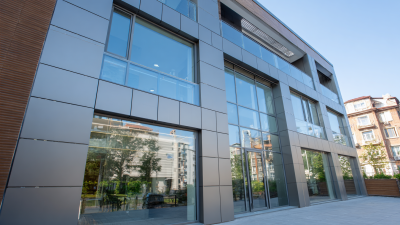
Aluminium profiles are becoming essential in modern construction. They are lightweight yet strong, making them ideal for various applications. In facades, aluminium frames support glass panels. This combination enhances energy efficiency and aesthetics. Buildings look sleek and contemporary when aluminium profiles are used creatively.

In interior design, aluminium profiles can create stunning features. They are versatile for partitions, ceilings, and furniture. The clean lines of aluminium add a sense of sophistication to any space. However, sometimes the finish can be too reflective, which may not suit all designs. It's crucial to balance functionality and visual appeal.

Cost is a factor too. While aluminium can be more expensive upfront, its durability pays off. However, some projects may face budget constraints. Exploring alternative metals could be beneficial. In some cases, this decision may lead to unexpected design challenges. Understanding the potential drawbacks is key when choosing aluminium profiles for construction.

Maintenance and Care for Aluminium Profiles in Building Structures

Aluminium profiles are widely used in construction due to their versatility and durability. However, maintaining these profiles is essential for their longevity. Regular cleaning is necessary to remove dirt and debris. A solution of mild soap and water will typically suffice. Avoid harsh chemicals, as they can damage the surface.

Inspecting aluminium profiles for scratches or dents is crucial. These imperfections can compromise structural integrity over time. If found, address them promptly to prevent further deterioration. Anodizing can enhance corrosion resistance, but it requires careful application and monitoring. Always consider hiring professionals for complex maintenance tasks.

In addition to cleaning, proper sealing is vital. This prevents moisture from accumulating, which can lead to rust. Use high-quality sealants that are compatible with aluminium. Remember, neglecting these maintenance steps can lead to expensive repairs. It's essential to stay vigilant and proactive in caring for your aluminium profiles to ensure they last for years.

Best Aluminium Profile Types for Your Construction Needs? - Maintenance and Care for Aluminium Profiles in Building Structures

Profile Type Application Advantages Maintenance Tips
Standard Rectangular Window Frames High strength, lightweight Regular cleaning, check for corrosion
T-Slot Aluminium Furniture, Racking Versatile, easy assembly Keep joints tight, inspect regularly
Round Aluminium Handrails, Supports Aesthetic appeal, strong Polish occasionally, check for dents
L-Shaped Aluminium Frames, Stands Stable, good for corner joints Inspect joints, clean to avoid buildup
Channel Aluminium Gutters, Tracks Excellent drainage, supportive structure Clear debris, ensure proper alignment

FAQS

: What is the main purpose of this product?

: The product aims to solve specific everyday problems. It simplifies tasks and enhances user convenience.

How do I use this product effectively?

Follow the included instructions closely. Ensure to understand each step for optimal use. Practice makes perfect.

Are there any precautions to take?

Yes, avoid exposing the product to extreme temperatures. Handle with care to maintain its integrity.

Can this product be repaired if damaged?

Yes, in some cases. Assess the damage before seeking repairs. Sometimes, replacement might be a better option.

How do I clean and maintain it?

Use a soft cloth for cleaning. Avoid harsh chemicals that could cause damage. Regular maintenance prolongs its life.

What should I do if it doesn't work as expected?

Review the instructions first. If issues persist, consider reaching out for support. Reflect on your usage methods.

Conclusion

Aluminium profiles are essential components in modern construction, offering versatility and strength for various structural applications. This article discusses the different types of aluminium profiles commonly used, highlighting their key properties such as durability, lightweight design, and resistance to corrosion. It also explores the various shapes of aluminium profiles, which can be customized to suit specific project requirements, and examines the numerous advantages of using these profiles, including ease of installation and maintenance.

When selecting aluminium profiles for construction projects, several factors must be considered, such as load-bearing capacity and environmental conditions. The article also outlines the diverse applications of aluminium profiles in contemporary buildings, ranging from framing to cladding. Finally, it emphasizes the importance of proper maintenance and care to ensure the longevity and performance of aluminium profiles in structural applications, making them a preferred choice for modern construction needs.
Henry

Henry

Henry is a dedicated professional marketer at LEAWOD, a leading innovator in the research, development, and manufacturing of high-end windows and doors. With a deep understanding of the company's pioneering products, particularly the revolutionary R7 seamless whole welding windows and doors, Henry......
Previous Quality Aluminium Doors: China's Gateway to Global Markets