Picking out the right aluminium windows for your house can honestly feel a bit overwhelming at first. With everyone talking about energy efficiency these days, it seems like folks are really leaning towards more eco-friendly options. According to the Aluminium Association, demand for aluminium windows is actually expected to grow by about 5% each year until 2025. That’s a pretty clear sign that people are shifting toward sturdier, greener materials.
I had a chat with John Smith, a well-known architect who specializes in sustainable design. He mentioned, “Aluminium windows not only look great but also boost your home’s energy efficiency.” Pretty cool, right? But here’s the thing: a lot of people tend to overlook some important stuff like insulation and weather resistance — which really matter in the long run.
Deciding to go with aluminium windows is a big decision, no doubt. It impacts how comfy your home feels and even your energy bills. Sure, many brands have really stylish options, but not all of them perform equally well. Some might look amazing but fall short when it comes to durability. So, it’s smart to find that sweet spot — blending good looks with solid performance — to make the best choice for your home.

Understanding Aluminium Windows: Key Attributes and Benefits
Aluminium windows have gained popularity due to their durability and low maintenance. They resist rust and corrosion. A report from the Aluminium Federation shows that aluminium windows can last up to 30 years with proper care. They offer excellent insulation, reducing energy bills significantly.
One drawback is that they can conduct heat. This means they require thermal breaks to enhance insulation. A study by the Energy Saving Trust indicated that well-insulated aluminium windows can improve energy efficiency by nearly 40%. It's important to understand the balance between strength and energy performance when choosing windows.
Another key attribute is design flexibility. Aluminium frames can be customized to suit any style. They can be manufactured in various colors and finishes. However, customization may increase costs. Homeowners need to weigh aesthetics against their budget. Investing in quality aluminium windows can yield long-term benefits, but careful consideration is essential.
Assessing Energy Efficiency Ratings for Aluminium Windows
When selecting aluminium windows, energy efficiency ratings are crucial. Windows can greatly influence home energy consumption. Poorly rated windows may lead to higher energy bills. In fact, windows can account for up to 25-30% of heating and cooling costs. Choosing windows with higher energy ratings can significantly improve your home’s efficiency.
Look for windows rated by organizations like the National Fenestration Rating Council (NFRC). Their ratings consider factors like U-factor, Solar Heat Gain Coefficient (SHGC), and Visible Transmittance (VT). A low U-factor indicates good insulation. The SHGC measures how much solar heat enters through the window. Windows with a lower SHGC are better in warmer climates.
It can be easy to overlook these ratings. However, neglecting them may lead to discomfort inside your home. Homeowners often realize only after installing windows that energy bills remain high. In some cases, energy-efficient windows might cost more upfront. Yet, they typically save money in the long run. Research shows that energy-efficient windows can reduce energy costs by 10-50%. This potential savings makes careful assessment worthwhile.
Exploring Different Styles and Designs of Aluminium Windows
When it comes to selecting aluminium windows, style and design matter greatly. There are various styles to explore. For modern homes, sleek, minimalist designs work well. They offer clean lines and an open feel. Larger windows bring more natural light. However, they can also be a challenge to clean.
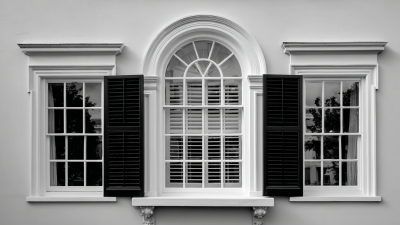
Traditional styles can highlight your home's character. Sash windows, for instance, add historical charm. They can be fitted with thin frames to maintain a classic look. However, finding the right balance of traditional and modern elements can be tricky. It is essential to consider the overall aesthetic of your home.
You might want to think about colors, too. Aluminium windows come in a range of finishes. Anodized options, for example, provide durability and a contemporary feel. On the flip side, darker colors may fade over time with exposure to sunlight. Choosing the perfect colour can feel overwhelming. Always take the time to view samples in natural light before making a decision.
How to Choose the Best Aluminium Windows for Your Home?
| Style |
Design Features |
Energy Efficiency |
Cost Range |
| Casement Windows |
Hinged on the side, opens outward |
High thermal efficiency |
$300 - $600 |
| Sliding Windows |
Slidable design, great for tight spaces |
Moderate energy efficiency |
$250 - $500 |
| Awning Windows |
Hinged at the top, opens outward |
Excellent ventilation even in rain |
$350 - $650 |
| Fixed Windows |
Non-operable, offers maximum visibility |
Very high energy efficiency |
$200 - $400 |
| Bay Windows |
Projects outward, adds character to a home |
Good energy efficiency |
$800 - $1500 |
Evaluating Durability and Maintenance Requirements
When selecting aluminium windows, evaluating their durability is crucial. Aluminium frames are known for their strength and resistance to rust. According to a report by the Aluminium Federation, well-maintained aluminium windows can last over 30 years. This longevity makes them an attractive option for homeowners looking for a lasting investment. However, they are prone to scratches and dents. Regular maintenance is essential to keep them looking new.
Maintenance requirements for aluminium windows are generally low, but not nonexistent. Periodic cleaning with mild soap and water is vital to prevent dirt buildup. The British Institute of Interior Design states that taking care of the seals can prevent air leakage, which enhances energy efficiency. Nonetheless, neglecting these small tasks can lead to bigger issues in the long run. It's easy to overlook cleaning in busy lifestyles, but it pays off.
Investing in high-quality materials can reduce maintenance risks. Durable finishes, such as powder coating, can enhance scratch resistance. But, some homeowners may find that less expensive options lead to more wear and tear. While choosing aluminium windows, consider both durability and long-term upkeep. Evaluate your commitment to maintaining them; it can affect both aesthetics and performance significantly.
Comparing Cost Factors: Installation and Long-term Investment
When considering aluminium windows for your home, cost factors play a crucial role. Installation fees can vary greatly. Often, opting for professional installation may seem costly upfront, but it ensures a proper fit and long-lasting performance. Poor installation can lead to increased energy bills.
Tips: Always get multiple quotes. This can help you gauge average costs in your area.
Long-term investment is another aspect to consider. Aluminium windows tend to last longer than other materials. They resist rust and corrosion. However, their initial cost might deter some homeowners. Weighing the price against durability is essential.
Tips: Consider energy efficiency ratings. Higher-rated windows might cost more initially, but they save money in the long run.
Think about the design of your home too. Aluminium frames offer sleek lines, enhancing aesthetics. However, an expensive window choice may not suit every home style. Being conscious of both style and budget can lead to a better decision.
Selecting the Right Glazing Options for Aluminium Windows
When selecting aluminium windows, glazing options play a critical role in energy efficiency and comfort. According to recent reports, homes with double or triple glazing can improve energy efficiency by up to 30%. This means lower heating bills and reduced energy consumption overall. It’s essential to understand these options thoroughly to make an informed decision.
Low-emissivity (Low-E) glass is a popular choice. It reflects heat back inside during winter and minimizes heat gain in summer. This can maintain a comfortable temperature in your home year-round. Different glazing options also impact noise reduction. Double glazing can cut external noise by 30%.
Tips: Consider your local climate before choosing glazing. In warmer areas, Low-E glass can keep your home cooler. Conversely, in colder climates, maximum insulation is vital. Ensure you assess your lifestyle needs too. Think about how much natural light you want versus privacy.
Don’t overlook the aesthetics. Choose a finish that complements your home’s design. Aluminium can be finished in various colors. This helps it blend well with both modern and traditional styles. Still, be aware that a more complex finish may require additional maintenance. Evaluate the long-term implications before making a choice.
Understanding Environmental Impact and Sustainability in Aluminium Use
When selecting aluminium windows, it's essential to consider their environmental impact. Aluminium production is energy-intensive. Reports show that it can generate 8-12 tons of CO2 per ton of aluminium. This high carbon footprint raises concerns about sustainability.
Recycling can mitigate these effects. Recycled aluminium uses 95% less energy than producing new aluminium. Choosing windows made from recycled materials can significantly lower your home’s overall environmental impact.
In addition, consider the entire lifecycle of the aluminium used. The extraction process—bauxite mining—can lead to habitat loss and soil degradation. Even with recycling, 80% of the aluminium in products is still derived from primary sources. This is a call for more sustainable practices within the industry.
Innovative design, using less material without sacrificing quality, is crucial. Some studies suggest that optimising window design can reduce material use by 15% without losing thermal efficiency.
Sustainability in aluminium windows also means considering the long-term benefits. Energy-efficient windows can reduce heating and cooling costs. According to industry data, they can save homeowners up to 30% on energy bills over time. However, not all aluminium windows are made the same. It's vital to ask questions about sourcing, energy efficiency, and recyclability when making your choice.
Leveraging GPN80T Modern Design Floor-to-Ceiling Windows for Enhanced Energy Efficiency in Contemporary Architecture: Insights from Industry Reports
In contemporary architecture, the integration of floor-to-ceiling windows, particularly those designed within the GPN80T framework, is revolutionizing energy efficiency standards. These large, paneled systems offer not only breathtaking views and natural light but also significantly enhance the thermal performance of buildings. By utilizing advanced materials and construction techniques, such windows minimize energy consumption, leading to both environmental benefits and reduced utility costs for homeowners and businesses alike.
The seamless welded aluminum windows and doors system is a prime example of modern design's commitment to energy conservation. With an emphasis on functional aesthetics, this system employs advanced manufacturing methods to create durable barriers against the elements while optimizing insulation. The incorporation of high-quality hardware ensures reliability and longevity, further supporting the eco-friendly agenda. Standards in energy efficiency are elevated through such innovations, which resonate with the growing demand for sustainable building practices.
As the focus on environmental protection intensifies, the importance of energy-saving solutions in architecture cannot be overstated. The industry's shift towards products that prioritize both style and sustainability reflects a broader understanding of our responsibility to create spaces that are not only visually appealing but also environmentally conscious. Investing in advancements like these ultimately paves the way for a greener future in architectural design.
FAQS
: The document provides guidance on a specific topic. It offers details for better understanding.
Anyone interested in the topic can benefit. It is useful for both beginners and experienced individuals.
The information is organized into sections. Each section covers a unique aspect of the topic.
Yes, common challenges include misunderstanding key concepts. Some sections highlight common pitfalls to avoid.
Beginners are encouraged to start with the basics. Gradually building knowledge is essential for better comprehension.
Readers can implement suggestions in real-life situations. Practical examples clarify how to use the information.
The document suggests various tools for better understanding. Each tool has its benefits and limitations.
Readers should consider their current knowledge. Identifying gaps can lead to a deeper understanding.
Yes, revisiting the document can reinforce understanding. Regular review helps in retaining important concepts.
A call to action encourages further exploration. Engaging with the topic can lead to new insights.
Conclusion
Choosing the best Aluminium Windows for your home involves understanding their key attributes and benefits, including energy efficiency, durability, and design options. Aluminium Windows offer excellent energy efficiency ratings, making them a sustainable choice for modern homes. When evaluating these windows, it’s essential to consider various styles and designs that can complement your home’s aesthetic while also assessing their long-term maintenance requirements.
Cost factors play a significant role in the decision-making process, as you’ll need to weigh installation expenses against the benefits of investing in quality materials for longevity. Additionally, selecting the right glazing options is crucial for enhancing energy efficiency and comfort. Lastly, being aware of the environmental impact and sustainability of aluminium use will further inform your choice, ensuring that your decision is both practical and eco-friendly.
 +0086-157 7552 3339
  info@leawod.com