Picking the right Anti-Howling Window can honestly feel a bit overwhelming at first, especially with so many options out there. It's really important to figure out what actually fits your needs best. John Smith from SoundGuard Technologies puts it nicely—he says, 'A well-chosen Anti-Howling Window can make all the difference when it comes to noise control.' So true, right?
Getting to know what makes these windows special is really key. They're designed to cut down on outside noise, and stuff like the insulation materials, how the window frame is built, and the soundproofing tech all play a big part. If you do your homework and pick wisely, your living space can become way more comfortable.
But hey, not every product lives up to the hype. It’s super smart to read reviews and see what people are saying before you buy. A lot of folks skip this step—and end up pretty disappointed. Doing a bit of research on different brands and maybe chatting with a pro can save you from making a costly mistake. At the end of the day, investing in good quality Anti-Howling Windows isn’t just about saving bucks; it’s about creating a peaceful, quiet home environment.
When selecting anti-howling windows for your home, consider several key factors. Noise insulation is crucial. Look for windows with multiple panes. A double or triple-glazed design can significantly reduce noise. Additionally, check the window's Sound Transmission Class (STC) rating. Higher ratings indicate better soundproofing.
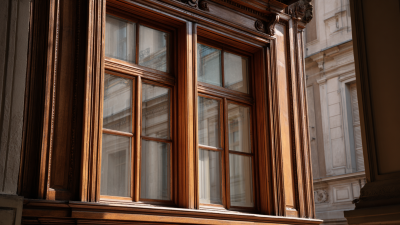
Frame materials also play a vital role. Vinyl options tend to provide excellent insulation. Wooden frames can be aesthetically pleasing but may require more maintenance. Weatherstripping and seals are essential, too. Gaps can let sound in and reduce efficiency. Proper installation is often overlooked. Poorly sealed windows can lead to greater noise intrusion.
Visual appeal should not be ignored. Choose windows that fit your home's style while being functional. You might face a trade-off between aesthetic and acoustic performance. Test samples when possible. Listen for differences before making your decision. Remember, no window is perfect. You may still encounter some sound. Finding the right balance is key.
When considering anti-howling windows, understanding the technology is crucial. These windows utilize advanced sound insulation materials that reduce noise transmission. The design focuses on absorbing sound waves, which helps minimize noise pollution from the outside. Research indicates that high-quality anti-howling windows can reduce outside noise levels by up to 50%. This is particularly beneficial for those living in urban areas.
The construction of these windows often features double or triple glazing. The space between the glass panes is filled with inert gas, enhancing thermal and acoustic insulation. It's interesting to note that the thickness of the glass plays a significant role in sound reduction. A thicker pane can block lower frequencies more effectively. Studies from the American Architectural Manufacturers Association suggest that window systems with a sound transmission class rating of at least 30 are ideal for noise-sensitive environments.
While these windows offer significant benefits, they are not a one-size-fits-all solution. Installation can be complex, and poor installation may lead to air leaks, lessening their effectiveness. Additionally, aesthetic choices may limit options for soundproofing. Homeowners must weigh these factors when choosing anti-howling windows. Personal experience and local conditions should guide the selection process to ensure the best fit for individual needs.
When selecting an anti-howling window, understanding noise reduction ratings is crucial. The performance of soundproof windows is often quantified by a metric known as the Sound Transmission Class (STC). This rating ranges typically from 25 to 50. A higher STC indicates better soundproofing. For instance, windows with an STC rating of 35 might reduce noise by about 70%, which is significant. However, this is not always enough depending on external noise levels.
Another important metric is the Outdoor-Indoor Transmission Class (OITC). This rating focuses on how effective a window is at blocking lower frequencies, such as traffic noise. Studies show that OITC values can help gauge how comfortable your living space will be. It can be disheartening to invest in windows with high ratings, only to find that real-life performance falls short. Real-world conditions, like installation quality and surrounding structures, also affect sound insulation.
Choosing the right window involves more than just numbers. It’s essential to consider your specific noise environment. A window rated highly in quiet suburban settings may perform poorly in a bustling urban area. Understand your needs and feel free to embrace a reflective process about your choices. A thorough evaluation can lead to a more peaceful home environment.
| Window Type | Noise Reduction Rating (NRR) | Material | Price Range | Best For |
|---|---|---|---|---|
| Double Glazed | 28-32 dB | Glass | $300 - $800 | Urban Areas |
| Triple Glazed | 35-40 dB | Glass | $600 - $1200 | High Noise Areas |
| Soundproof Window Inserts | 30-35 dB | Acrylic | $200 - $500 | Add-On Solution |
| Acoustic Windows | 38-45 dB | Special GlassCombination | $700 - $1500 | Recording Studios |
When selecting the best anti-howling windows, a key factor is the choice of material. Vinyl, wood, and aluminum frames each have distinct advantages and drawbacks. Vinyl, for instance, is known for its durability and low maintenance. According to a recent industry report, vinyl windows can last up to 30 years with proper care. They offer excellent insulation, helping to reduce energy costs.
On the other hand, wood frames provide a classic aesthetic that many homeowners prefer. They can be customized and painted to match any decor. However, wood requires regular maintenance to prevent issues like rot or warping. A study from the National Association of Home Builders highlighted that improperly maintained wood windows can significantly decrease a home's value over time.
Aluminum frames are another option. They are lightweight and resistant to weather conditions. However, they offer less insulation compared to vinyl and wood. This could lead to higher energy bills in colder climates. Homeowners facing harsh winters might want to rethink aluminum as their primary choice. Each material presents unique challenges that should be carefully considered.
Installing an anti-howling window requires more than just choosing the right product. Professional installation plays a crucial role in achieving maximum noise control. Even the best windows can fall short if not installed properly. Gaps or improper sealing can allow noise to penetrate, diminishing the window's effectiveness. Therefore, hiring skilled installers is essential.
Experts understand the intricacies of window placement and sealing methods. They ensure that every angle is correct and that materials are compatible. This attention to detail prevents potential issues that could arise later. DIY approaches may seem attractive, but they often lead to costly mistakes. A poor installation may result in drafts, leaks, or increased noise levels.
When you invest in professional services, you invest in peace of mind. Professionals often offer guarantees on their work, reflecting their confidence in the results. This assurance can save you time and frustration down the road. While it may seem like an added expense, consider the long-term benefits of quality installation. It's clear that expertise can significantly enhance your noise control efforts.
Choosing the right anti-howling window involves understanding costs and quality. According to a recent industry report, high-quality anti-howling windows can range from $300 to $1,500, depending on materials and features. With varying price points, budgeting becomes crucial. In general, investing in better materials can enhance performance significantly. Windows with triple-pane glass tend to offer superior sound insulation.
Regarding energy efficiency, higher quality windows might lead to energy savings. The U.S. Department of Energy notes that energy-efficient windows can reduce energy bills by 10-25%. Keep in mind the initial investment. It can be tempting to go for cheaper options. However, lower-cost windows may require replacement sooner, resulting in higher long-term costs.
Tips: Look for windows with a high STC (Sound Transmission Class) rating for better noise reduction. Always request detailed estimates from multiple suppliers to make informed choices. Lastly, consider the installation costs as they can significantly impact your budget. Quality installation can enhance the effectiveness of your anti-howling windows.
When selecting an anti-howling window, customer reviews play a crucial role. They offer insights about real-life experiences. Look for patterns in feedback. Issues like durability and soundproofing effectiveness often surface in multiple reviews. Don't ignore positive comments, either. They can highlight features that enhance your experience.
Industry ratings provide an additional layer of information. Check ratings from trusted organizations. They assess products based on performance and reliability. Pay attention to windows that consistently receive high scores. This indicates a track record of satisfying customer needs.
Tips: Compare features side by side. Look for specifications that address sound reduction. Consider the installation process. Some models may require professional help. Read about the warranty too. It's an indication of the manufacturer’s confidence. Be aware that even top-rated products have critiques. Evaluating both positive and negative feedback helps create balance.
Enhancing home comfort and style while maintaining practicality has never been easier with the innovative design of slim frame aluminum tilt-turn windows featuring mosquito nets. These windows not only bring a modern aesthetic to your living spaces but also allow for versatile ventilation options. The tilt-turn mechanism provides the flexibility to open the window in different ways, optimizing airflow while keeping unwanted insects at bay.
The seamless welded aluminum construction ensures durability and energy efficiency, contributing to a more sustainable living environment. With advancements in hardware systems used in these windows, like those imported from Europe, homeowners can enjoy secure, high-quality products. The focus on energy saving not only reduces utility costs but also reflects a growing commitment to environmental protection, making these windows an ideal choice for the eco-conscious consumer. By integrating both style and functionality, they elevate the overall home experience while addressing practical concerns like ventilation and pest control.
: Their main purpose is to reduce noise transmission and minimize noise pollution from the outside.
They use advanced sound insulation materials and designs to absorb sound waves effectively.
The STC rating measures a window's soundproofing capability. Higher ratings indicate better noise reduction.
Installation quality and local environmental conditions can significantly impact their effectiveness.
Thicker glass can block lower frequencies more effectively, enhancing overall sound insulation.
Consider noise levels specific to your area and reflect on personal experience during the selection process.
OITC ratings focus on blocking lower frequency noises, while STC ratings cover a broader range of sounds.
They provide real-life insights into performance, durability, and overall satisfaction, highlighting both pros and cons.
Yes, they offer performance assessment information, helping consumers identify reliable products.
No, it is crucial to evaluate both positive and negative feedback for a balanced understanding of the product’s performance.
When selecting the best Anti-Howling Window for your home, there are several key factors to consider. First, understanding the technology behind the design is crucial, as it directly impacts soundproofing effectiveness. Pay attention to noise reduction ratings, which provide insight into the window's ability to minimize external sounds. Additionally, comparing materials such as vinyl, wood, and aluminum will help you determine the most suitable option for your needs.
Professional installation plays a significant role in maximizing noise control, ensuring the windows function as intended. A thoughtful cost analysis is also essential; when budgeting for quality Anti-Howling Windows, balance your financial constraints with the performance and durability you require. Lastly, customer reviews and industry ratings can provide valuable feedback to guide your decision-making process, ensuring you choose a product that meets your soundproofing expectations.
+0086-157 7552 3339
info@leawod.com