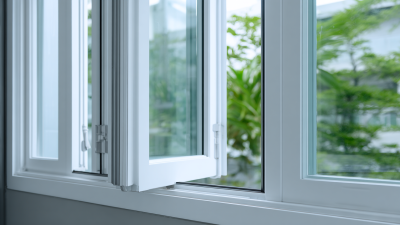
When you're picking out a fixed door for your place, there are quite a few things to think about. You want a door that looks good but also works well — you know, something that boosts your home's style and is practical at the same time. A fixed door can seriously change the vibe of your house — making it look more polished, plus letting in natural light while still keeping your privacy intact.
Of course, quality matters a lot. You’ll want to check out what materials are used. Some doors are made of wood, which has that warm, classic feel, but they might need regular upkeep. Others might be fiberglass or aluminum — which can be more low-maintenance. Each of these has its own pros and cons. For example, aluminum is super durable but might not have that 'wow' look you want, whereas wood feels cozy but can be more expensive and require more care.
And don’t forget about the price tag — a fancy, high-end door might be exactly what you’re dreaming of, but isn’t always budget-friendly for everyone. It’s worth comparing several options to see what fits both your style and your pocket. Think about how the door will match the rest of your home's features; a mismatch can be really glaring. Sometimes, a fixed door might not be the perfect fit — you might want to browse a few styles before settling. The goal is to find one that really completes your look and adds value, rather than ending up with regrets because it doesn’t quite match what you wanted. In the end, just take your time, consider what you need and what you like — it’s all about finding that sweet spot where style, function, and budget meet comfortably.

Understanding the Different Types of Fixed Doors Available
When choosing the best fixed door for your home, it’s essential to understand the various types available. Fixed doors can serve both practical and aesthetic purposes. A common type is the sliding glass door. It brings in natural light and offers wide views. However, consider the potential heat loss during cold seasons.
Another popular option is the French fixed door. These doors often have a more traditional feel. They can enhance the charm of your entryway. However, they may take up more space when opened. Many people forget to think about how much space they have before installation.
Tips: Check the frame material. Wood provides warmth but requires upkeep. Aluminum is low-maintenance but might lack insulation. Think about the style that matches your home decor. It’s also vital to consider security features. Some fixed doors come with reinforced glass options for added safety. Remember, a door is not just a barrier; it’s a statement piece. Select wisely!
Evaluating Materials: Wood, Glass, Aluminum, and More
When choosing a fixed door for your home, the material plays a crucial role. Wood doors offer warmth and a classic look. They can be customized in many ways. However, they require regular maintenance. If not cared for, wood can warp or rot, especially in humid areas. Think about how much time you can dedicate to upkeep.
Glass doors provide a modern aesthetic and let in natural light. They can make a space feel larger. However, privacy can be an issue. Frosted or tinted options offer a solution but may limit visibility. Think carefully about which areas of your home need privacy versus openness.
Aluminum doors are durable and resistant to the elements. They don't need much maintenance. Still, they can lack the character of wood or the elegance of glass. Consider the overall style of your home. Each material has its charm but also its drawbacks. Weigh these carefully before making a decision.
Comparative Analysis of Fixed Door Materials
Assessing Energy Efficiency and Insulation Properties
When selecting a fixed door for your home, energy efficiency deserves careful consideration. A well-insulated door can significantly reduce heating and cooling costs. Look for doors that have a high R-value. This value measures how well the door resists heat flow. The higher the R-value, the better the insulation.
Consider the materials used in the door’s construction. Fiberglass and steel doors typically provide better thermal performance than wood. However, not all fiberglass doors are the same. Some may have less insulation than others, leading to unexpected energy bills. Pay close attention to the weatherstripping and seals around the door. Poorly installed seals can diminish overall energy efficiency.
Don't overlook the importance of local climate factors. A door that performs well in one region may not be suitable for another. If you live in a humid climate, moisture resistance is vital. Conversely, if your area faces extreme cold, look for designs that keep warmth in. Sometimes a door that looks great may not function well. Taking time to research insulation properties can prevent future regret.
Determining the Right Style to Match Your Home’s Aesthetic
Choosing the right fixed door is essential for enhancing your home’s aesthetic. Style plays a crucial role, and it’s important to consider how the door complements your overall design. According to a recent report, 70% of homeowners prioritize style when selecting doors. The fixed door should reflect your personal taste while also blending well with architectural elements.
A contemporary door may feature sleek lines and large glass panels, while a more traditional door might have detailed woodwork and decorative glass. Evaluate your home’s unique characteristics before deciding. Visualize the door within your space. How does it match the color palette? Does it harmonize with neighboring features?
Tips: Consider the material of the door. Wood offers warmth, while fiberglass can provide durability. Each material has its own visual impact. Also, opt for energy-efficient glass options to enhance insulation. Remember, the perfect choice might not exist. Your door should be functional yet stylish. Regularly reassess its alignment with your home's evolving look.
Exploring Installation Options: DIY vs. Professional Help
When considering a fixed door for your home, installation is a crucial factor. Many homeowners face the choice between DIY projects or hiring professionals. According to a recent report from the Remodeling Magazine, 60% of homeowners opt for professional installation to ensure quality. Professional installers often have the experience needed for a precise fit, which can prevent future issues like leaks or drafts. This is essential for maintaining energy efficiency.
For those inclined to DIY, research is key. Understand your door’s specifications and gather the right tools. A study indicates that 80% of DIY installations fail due to lack of preparation. Take measurements carefully and follow detailed guides. In-depth resources from home improvement sites can make a difference. However, if something doesn’t feel right during installation, don’t hesitate to call in a professional. It may save time and money in the long run.
Tips:
- Always have a friend help you during installation. This can reduce errors and make the process smoother.
- Remember, a second set of eyes can catch mistakes you may overlook.
-
Measure twice, cut once. It’s a classic saying for a reason. Mistakes in measurement can lead to costly repairs.
Budgeting Tips for Choosing the Best Fixed Door for Your Home
When selecting a fixed door for your home, budgeting is crucial. You should consider various aspects that impact your expenses. A well-thought-out budget helps avoid overspending. Unforeseen costs can arise during installation. Make sure to account for these potential expenses.
Evaluate the material of the door. Wood tends to be more expensive but offers beauty and durability. Fiberglass and aluminum can be more budget-friendly. However, they may lack the same aesthetic. Choosing a lower-cost option might save money initially, but could lead to higher replacement costs later on.
Don't forget installation costs. Hiring a professional can ensure quality work but at a price. Weigh the cost of DIY versus hiring someone. Sometimes saving on installation can lead to a less secure fit. Think carefully about these factors. Can you afford to compromise on quality? Make your choices wisely.
How to Choose the Best Fixed Door for Your Home? - Budgeting Tips
| Feature |
Description |
Estimated Cost |
Pros |
Cons |
| Material |
Common materials include fiberglass, wood, and vinyl. |
$500 - $3000 |
Durable, aesthetic appeal, energy-efficient. |
May require maintenance; some materials can be expensive. |
| Size |
Standard sizes are 24"x80", 30"x80", and custom sizes available. |
$300 - $1500 |
Fits well, reduces air leaks, enhances aesthetics. |
Custom sizes can be more costly. |
| Energy Efficiency |
Look for doors with ENERGY STAR certification. |
$700 - $2500 |
Reduces energy costs, comfortable indoor climate. |
Higher upfront cost for energy-efficient options. |
| Style |
Choose from traditional, modern, or rustic styles. |
$400 - $2000 |
Enhances curb appeal, matches home design. |
Limited options in certain materials. |
| Warranty |
Check for manufacturer warranties on materials and installation. |
$100 - $500 (for additional coverage) |
Peace of mind, protects your investment. |
Additional costs for extended warranties. |
Conclusion
Choosing the best fixed door for your home involves several crucial considerations. Firstly, it's essential to understand the different types of fixed doors available, such as those made from wood, glass, and aluminum. Evaluating the materials will help you assess their durability and aesthetic appeal, while also considering energy efficiency and insulation properties to enhance your home's comfort.
Additionally, determining the right style of a fixed door is key to matching your home’s overall design. Accurate measurements are critical for a proper fit, and potential installation options should be explored, whether you opt for a DIY project or professional help. Finally, budgeting is an important aspect, as it will guide you in selecting the best fixed door without compromising on quality or style.
 +0086-157 7552 3339
  info@leawod.com