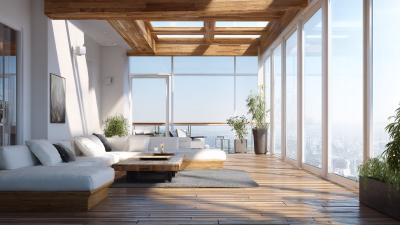
So, you're picking a fixed door in 2026—where do you even start? Honestly, it comes down to one simple question: what should that opening actually do? A fixed panel can be a great way to let daylight into a hallway, frame a nice garden view, or split two rooms without blocking sightlines. Of course, it doesn't open like a hinged or sliding door, so you'll want to be sure a fixed design really fits the space and how you plan to use it. And don't skip measuring the opening carefully. Even a few millimeters can throw off the frame, the glass fit, and the whole finished look.
Architect Louis Sullivan once said, 'Form ever follows function,' and honestly, that's a pretty handy lens for this decision. He wasn't writing about fixed door systems specifically, but the idea still applies—appearance should work with the room's practical needs. So as you compare frame materials, glass options, safety ratings, and maintenance requirements, also check how the panel connects to the surrounding walls. And don't forget to ask the installer whether they can provide clear product specifications. If they can't, that's probably a sign to dig deeper. Don’t get me wrong—a slim frame might look elegant. But you know, it still has to actually suit the opening and the local conditions.
You know, details really do matter—like how afternoon light hits the floor, or the way reflections move across the glass, or whether that frame sits flush against the skirting board. And before you commit to anything, it’s worth asking about warranty coverage and replacement parts. Because here’s the thing: just because it looks great in the showroom doesn’t mean it’ll look the same in your living room. That can be seriously frustrating, right? Anyway, this guide is meant to help you sort through design, performance, budget, and installation—without glossing over the claims that probably deserve a second look. When you choose the right fixed door, it should feel like it belongs there from the start—not like something you kinda settled for and only realized after it was already installed.

What Is a Fixed Door and Where Is It Commonly Used?
In glazing, a “fixed door” usually means a non-operable glazed panel. It admits daylight and preserves a sightline, but it does not swing or slide. Common uses include a sidelight beside an entry door, a fixed panel beside a sliding patio door, and glazed partitions in offices or shopfronts. In shower enclosures, a similar panel is often called a fixed screen instead. Terminology varies by supplier, so check what the product actually does.
The U.S. Department of Energy reports that windows can account for 25–30% of a home’s heating and cooling energy use. That figure concerns windows, not fixed doors specifically. The 2024 Global Status Report for Buildings and Construction estimates that buildings consume 32% of global energy and produce 34% of energy-related CO₂ emissions. These figures do not prove a fixed glass panel saves energy; they show why glazing deserves careful attention. Check the panel’s thermal rating, frame, seals, and exposure to afternoon sun. Also consider access and ventilation: a bright hallway is pleasant, but a sealed corner can feel stuffy. Measure carefully, including the reach needed to clean the glass.
Which Fixed Door Style Fits Your Space and Purpose?
How to Choose the Right Fixed Door in 2026?
Which Fixed Door Style Fits Your Space and Purpose?
A fixed glass door can make a compact shower feel open, but the right style depends on how you use the room. A single panel suits a walk-in shower with enough space to control splashes. In a narrow bathroom, check the entry path before choosing a wide screen. Measure the shower opening, nearby fixtures, and available clearance—not just the glass area. A few centimeters matter.
For a family bathroom, a wider fixed panel may reduce water reaching the floor, though it will not contain every splash. Pair it with a low-profile threshold only when the floor and drainage support that layout. Need more privacy? Consider textured or frosted glass, while remembering that it can show mineral marks differently than clear glass. Check how easy each surface is to clean. Small details matter.
Frameless designs look light, but they need accurate installation and suitable support. Framed options can feel more defined and may suit a practical, frequently used space. Check glass thickness, hardware compatibility, and the installer’s measurements before ordering. I’d also test the proposed entry width with a tape measure or cardboard mock-up. It can feel awkward at first, but discovering a cramped entrance after installation is worse.
How to Choose the Right Fixed Door in 2026?
Which fixed door style fits your space and purpose?
Use clear glass when maximizing daylight and visual openness is the priority. Choose frosted or fluted glass for more visual privacy while still allowing light through. Scores are qualitative design guidance, not standardized product measurements; actual performance depends on glass, framing, and installation.
How Do Materials and Glass Options Affect Performance?
A fixed shower door’s material choices affect stability, upkeep, and how the room feels. Tempered safety glass is widely used because it is designed to break into smaller pieces if damaged. Glass thickness should match the panel size and support system, rather than being chosen by appearance alone. A heavier panel may feel substantial, but it also needs suitable hinges or channel support. Details matter.
Clear glass keeps a small bathroom feeling open, while frosted or textured glass offers more privacy. Textured surfaces can be harder to clean, especially where water dries along grooves. Protective coatings may help water bead and reduce residue, but they do not eliminate cleaning. Expect to wipe the glass now and then. That part is easy to underestimate.
Metal hardware also needs attention. Aluminum is lightweight, while stainless steel is often selected for its resistance to corrosion; the finish and installation still affect long-term performance. Check that seals sit evenly and that the wall is plumb, since small alignment errors can leave uneven gaps. I would not choose a finish from a sample alone: bathroom lighting can change its appearance, and the sample may not show how water marks look after a few weeks.
How Should You Measure the Opening and Check Compatibility?
Measure the finished opening, not the rough framing.
Houzz’s 2024 U.S. Bathroom Trends Study reports that 84% of renovating homeowners upgraded their showers, making careful fit checks relevant to many projects. Record the width at the bottom, middle, and top; walls can lean, even when they look straight. Use the smallest measurement when checking panel fit. Measure the height from the finished curb or floor to the planned top edge. Measure twice. A tile lip, sloped curb, or trim can steal clearance.
Check that the wall is plumb and the curb is level before choosing hardware. Confirm the panel’s glass thickness, mounting method, and required support match the wall structure and product specifications. Locate studs or approved anchors; tile alone is not reliable support. Check nearby handles, faucets, and towel bars for clashes, and confirm the panel leaves a practical entry gap. The National Kitchen & Bath Association’s planning guidance emphasizes usable clearances, but exact requirements depend on the layout and local specifications. Small errors matter. I would recheck the finished measurements after tile work; an early measurement can become obsolete. If the opening is uneven or the mounting surface is uncertain, have a qualified installer verify the site before ordering.
What Safety, Privacy, and Maintenance Features Should You Compare?
A fixed shower door can make a bathroom feel open, but glass and hardware deserve careful comparison. Check the glass type, thickness, and safety documentation rather than judging by appearance alone. Tempered glass is commonly used in shower enclosures; ask a qualified installer whether the proposed panel suits your opening and local requirements. Look closely at the edges and mounting points, too. Small details matter.
Privacy depends on more than clear or frosted glass. Textured panels blur outlines while still letting daylight through, whereas darker finishes may make a compact shower feel dim. Consider the view from the doorway, not just from inside the stall. Stand where guests would stand. It sounds obvious, yet people often forget.
Maintenance can shape daily comfort. Ask whether any protective coating is included, how it should be cleaned, and whether it needs renewal. Check that seals and hardware are replaceable, and that the panel leaves enough access for wiping corners. Hard-water marks may still appear. No coating makes cleaning disappear. Before ordering, measure the opening at several points and discuss uneven walls or limited clearance with the installer. A beautiful panel is less useful if reaching behind it becomes an awkward weekly chore.
How Do Installation Requirements and Total Costs Shape Your Choice?
A fixed door can make a bathroom feel open, but the wall and floor must support a secure installation.
Measure the opening at the top, middle, and bottom; older walls are often uneven. Check for studs or suitable blocking where hinges or support brackets will attach. The floor also needs to be level enough for the chosen panel and seals. A small measurement error can leave a visible gap.
Installation requirements affect the real cost.
A straightforward fit on sound, plumb walls may need little preparation. Uneven tile, weak backing, or a panel that needs custom sizing can add labor and materials. Ask whether the quote includes delivery, hardware, sealing, removal of an old door, and cleanup. Compare the same scope across estimates. The cheapest quote may omit important work, though a higher price is not automatically better. I would verify site conditions before treating any estimate as final.
Tips:
Keep the doorway clear before measuring. Photograph the walls and floor, and note any slope or loose tile. Request an itemized estimate, then confirm who handles adjustments if the opening differs from the measurements. Allow extra time for custom work. Fixed panels look simple, but installation details matter.
Conclusion
Choosing the right Fixed Door in 2026 starts with understanding where it will be used and what it needs to do. A fixed door or fixed glass panel can help define a space, bring in natural light, or complement a larger door system. Consider the room’s layout, the level of privacy required, and whether a particular style suits the intended use. Material and glass choices also affect appearance, durability, insulation, light transmission, and ease of care.
Before deciding, measure the opening carefully and confirm that the door’s dimensions and configuration are compatible with the surrounding structure. Compare safety features, privacy options, cleaning needs, and maintenance expectations. Finally, account for installation requirements alongside the full cost of materials and fitting. Weighing these factors together can help you choose a Fixed Door that fits your space, performs reliably, and suits your budget over time.
 +0086-157 7552 3339
 info@leawod.com