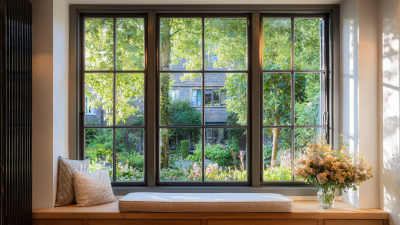
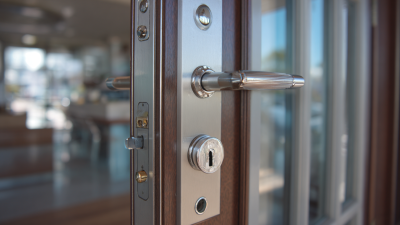
Double Glazing has emerged as a revolutionary solution in the quest for energy efficiency in residential and commercial buildings. According to a report by the U.S. Department of Energy, homes with double-glazed windows can experience a reduction in energy costs of up to 30%, significantly lessening the financial burden associated with heating and cooling. This technology features two panes of glass separated by a gas-filled space, which not only provides superior insulation but also reduces noise pollution, enhancing the overall comfort of indoor environments.
The implementation of Double Glazing is not just environmentally beneficial; it also adds value to properties. A study by the National Association of Realtors indicates that homes equipped with energy-efficient windows can sell for up to 10% more than those with traditional single-pane windows. As the demand for energy-efficient solutions grows, more homeowners and builders are recognizing the importance of investing in technologies that not only contribute to cost savings but also support sustainability efforts. In this article, we will explore the top 10 benefits of Double Glazing and how it plays a crucial role in reducing energy costs while improving quality of life.
Double glazing refers to the use of two panes of glass separated by a space filled with gas, typically argon, to improve thermal efficiency. This technology plays a crucial role in energy conservation, significantly reducing heat transfer and thereby enhancing insulation in buildings. The typical components of a double-glazing unit include the two glass panes, spacer bars that hold them apart, and seals to prevent air or gas from escaping. The overall design minimizes the transfer of heat, making it an essential feature for energy-efficient windows.
The increasing emphasis on energy-efficient buildings has propelled the global energy-efficient windows market, which was valued at USD 13.1 billion in 2021 and is projected to grow at a compound annual growth rate of 7% to reach USD 18.3 billion by 2026. This market growth underscores the rising awareness of energy costs and environmental sustainability. Additionally, updated building codes, such as those introduced in Massachusetts, target improved energy performance in commercial structures, highlighting the industry's shift towards advanced glazing technologies like double glazing to meet stringent energy requirements.
Double glazing is a method of insulating windows by using two panes of glass separated by a space filled with air or gas. This design creates an effective barrier against heat transfer, allowing homes to maintain a comfortable temperature while using less energy. The science behind double glazing lies in its ability to reduce heat loss significantly. The trapped air or gas between the panes acts as a thermal insulator, minimizing the transfer of heat in and out of the building. This results in lower energy consumption for heating or cooling, leading to potential reductions in energy costs by up to 30 percent.
When considering energy-efficient windows, there are innovative materials to explore. For instance, recent advancements in transparent wood technology show promise for energy-efficient windows. This wood variant combines transparency, durability, and thermal insulation, providing an eco-friendly alternative. Additionally, vacuum insulated glazing (VIG) has emerged as a cutting-edge technology that outperforms traditional solutions, featuring excellent thermal insulation properties.
**Tips:** When upgrading your windows, consider triple glazing for even better insulation performance. Look for products with low thermal conductivity, such as those incorporating advanced technologies. Lastly, explore DIY solutions like using bubble wrap on windows for a temporary insulation fix during colder months.
Double glazing is an innovative solution designed to enhance energy efficiency in modern buildings. It consists of two panes of glass sealed together, with a space in between filled with inert gas. This design significantly reduces heat transfer, leading to energy savings of up to 30 percent. By minimizing the need for heating and cooling in both residential and commercial spaces, double glazing not only lowers energy bills but also contributes to a reduction in carbon emissions, making it an environmentally friendly choice.
At LEAWOD Windows & Doors Group Co., Ltd., we specialize in high-quality finished windows and doors, with a commitment to energy efficiency. As the inventor of R7 seamless whole welding windows and doors, our products are engineered to offer superior insulation and durability. By choosing LEAWOD, customers can benefit from cutting-edge technology that not only enhances comfort but also supports cost-effective energy management. Our focus on creating partnerships with dealers emphasizes our dedication to delivering exceptional value and performance in every project.
Double glazing refers to a window system that consists of two glass panes separated by a vacuum or gas-filled space. This design significantly improves thermal insulation compared to single glazing, where only one pane of glass is used. The primary difference lies in the energy efficiency: double glazing minimizes heat loss, maintaining a stable indoor temperature, which can lead to energy cost reductions of up to 30 percent. The insulating properties of double-glazed windows create a barrier against outside temperatures, making homes warmer in winter and cooler in summer.
In contrast, single glazing typically allows more heat transfer, resulting in higher heating and cooling costs. While single-pane windows may be cheaper upfront, their inefficiency can lead to additional expenses over time due to increased energy consumption. Furthermore, double glazing also enhances noise reduction, making environments quieter. Overall, the investment in double glazing not only promotes energy savings but also improves overall comfort and quality of living compared to single glazing alternatives.
Double glazing is a popular solution for homeowners looking to enhance their energy efficiency. Its ability to create an insulating barrier between the inside and outside helps maintain stable indoor temperatures, significantly reducing energy costs. However, the degree of energy savings realized from double glazing can vary based on several factors.
One of the key factors that influence energy savings is the quality of the installation. A professional installation ensures that there are no gaps or leaks, allowing the double-glazed units to perform optimally. Poor installation can lead to heat loss, negating many of the benefits of double glazing. Homeowners should also consider the type of frame used; materials like uPVC, wood, and aluminum each offer different thermal performance levels.
Tips: When selecting double glazing, look for energy-efficient ratings like the Energy Star label, which can guide you to the best options for your home. Additionally, consider fitting window treatments such as thermal curtains or blinds to boost insulation further. Regular maintenance of seals and frames can help you preserve the efficiency of your windows over time, contributing to sustained energy savings.
When considering double glazing for your home, the choice of the right type is crucial to maximize both energy efficiency and comfort. There are primarily three types of double glazing: standard double glazing, low-E (low emissivity) glass, and gas-filled units. Standard double glazing consists of two panes of glass sealed with a gap, offering good insulation. However, low-E glass significantly outperforms standard options by reflecting heat back into the home, thus reducing energy costs by up to 30%, according to the National Fenestration Rating Council (NFRC).
Another important consideration is the type of gas used in the gap between the glass panes. Argon and krypton gas are commonly used to improve thermal performance. Argon is less expensive and provides excellent insulation, while krypton offers even better insulating properties for thinner units. The efficiency of these gases can lead to decreased heating and cooling costs, as indicated by a report from the International Energy Agency (IEA) which suggests that homes equipped with energy-efficient glazing can reduce heating energy demand by nearly 20%. Selecting the right double glazing option tailored to your specific geographical conditions and home design not only enhances energy efficiency but also adds to the overall value of your property.
: Double glazing refers to the use of two panes of glass separated by a space filled with a gas, typically argon, which improves thermal efficiency and insulation in buildings.
Double glazing minimizes heat transfer, leading to energy savings of up to 30%. This reduces the need for heating and cooling, thereby lowering energy bills and carbon emissions.
The main components include two glass panes, spacer bars that hold them apart, and seals that prevent air or gas from escaping.
A professional installation ensures there are no gaps or leaks, allowing double-glazed units to perform optimally. Poor installation can lead to heat loss, negating the benefits of double glazing.
Common framing materials include uPVC, wood, and aluminum, each offering different levels of thermal performance.
Homeowners can maintain efficiency by regularly checking seals and frames, considering energy-efficient ratings like the Energy Star label, and using thermal curtains or blinds for added insulation.
The energy-efficient windows market was valued at USD 13.1 billion in 2021 and is projected to grow at a compound annual growth rate of 7%, reaching USD 18.3 billion by 2026.
Updated building codes, such as those in Massachusetts, emphasize improved energy performance in commercial structures, driving the shift towards advanced glazing technologies like double glazing.
LEAWOD specializes in high-quality, energy-efficient windows and doors, utilizing cutting-edge technology to provide superior insulation and durability.
Double glazing is a high-performance window technology that significantly enhances energy efficiency by reducing heat loss. Comprised of two panes of glass sealed together, double glazing provides superior insulation, which can lower energy costs by up to 30%. This innovative design effectively minimizes noise intrusion and condensation, promoting a more comfortable indoor environment while lessening the environmental impact. When compared to single glazing, double glazing offers notable advantages in thermal performance and energy savings, making it an essential aspect to consider for homeowners.
At LEAWOD Windows & Doors Group Co., Ltd., we specialize in the development and manufacturing of high-end windows and doors, including our innovative R7 seamless whole welding windows and doors. Our commitment to quality ensures that our customers benefit from the maximum advantages of double glazing, delivering not only cost savings but also enhanced living conditions through efficient insulation. Choosing the right type of double glazing can transform your home’s energy efficiency while contributing to sustainable practices.
+0086-157 7552 3339
info@leawod.com