+0086-157 7552 3339
 info@leawod.com

Picking a double door supplier for an international project? It's not just about comparing prices in a catalog. You've got to think about the actual building—how the doors are built, their dimensions, hardware, finish, all of it. A busy hotel entrance, for instance, needs hinges that can take a beating and access control you can rely on. But a warehouse opening? That's a whole different story—you're looking at different configurations and paying close attention to clearance and installation space. It's the little things that really make or break a project.
So, this guide runs through ten suppliers that work with buyers around the world, and it also covers a few things you might want to look into before asking for a quote. Things like how wide their product range is, whether they can customize, how long they've been manufacturing, what export support they offer, lead times, and honestly, how clear their technical docs are. One thing I'd add: always double-check performance ratings and local code stuff with a qualified pro. Because a product description can only tell you so much—it can't guarantee that a door is actually right for your specific site.
Supplier details and product offerings? They change all the time. So treat this list as a jumping-off point—not a guarantee, and definitely not some universal ranking. Always ask for current specs, material specifics, warranty terms, and references from projects that are actually comparable. And when you compare quotes, make sure you're comparing apples to apples: packaging, shipping, who's responsible for installation—all that stuff. Look, no supplier is perfect. And honestly, no checklist is going to eliminate every risk. That said, it’s worth asking some pointed questions—you’d be surprised how much they tell you. Does the company actually get what your project is about? Do they explain things without jargon? And what happens after the order lands? You want to decide based on real signals, not just a slick website or glossy photos.

Double doors come in several forms, and the right choice depends on traffic, space, and weather exposure. Hinged pairs suit main entrances, offices, and rooms that need a wide opening. They can welcome furniture deliveries or groups, but both leaves need clearance to swing. Measure the approach area, not just the doorway.
Sliding double doors work well on patios and in rooms where floor space is limited. Glass panels bring in daylight and provide a clear view, though they may need regular cleaning. Folding doors can open much of a wall, making them useful for conference rooms, cafés, and covered outdoor areas. Their tracks must stay clear of grit and debris. Small details matter.
For warehouses, workshops, and service corridors, sturdy steel or solid-core pairs can handle frequent use and offer a more robust barrier. Fire-rated doors may be required in specific building locations; confirm the project requirements with a qualified professional rather than choosing by appearance alone. A glazed pair can help staff see approaching foot traffic, but visibility, privacy, and impact resistance should be considered together. More glass is not always better. Suppliers should provide clear specifications for dimensions, materials, hardware, and intended use, since a beautiful door that binds after installation is still a poor fit.
| No. | Double Door Type | Common Materials and Construction | Typical Applications | Key Sourcing Considerations |
|---|---|---|---|---|
| 1 | Flush Hinged Double Doors | Timber, engineered wood, steel, or composite leaves with plain faces; usually hung on side hinges. | Homes, offices, hotels, meeting rooms, and general interior openings. | Confirm opening dimensions, handing, frame compatibility, finish, and whether the leaves are equal or unequal in width. |
| 2 | Panel Double Doors | Timber or engineered-wood construction with raised or recessed panels. | Residential entrances, interior room dividers, hospitality projects, and traditional-style buildings. | Check panel design, environmental exposure, coating requirements, and the door’s specified performance for exterior use. |
| 3 | French Double Doors | Hinged leaves with large glazed sections, commonly framed in timber, aluminum, uPVC, or steel. | Patios, balconies, gardens, conservatories, and interior spaces needing borrowed light. | Specify glazing type, safety-glass requirements, weather seals, threshold details, and local energy-performance requirements. |
| 4 | Sliding Double Doors | Two panels that slide on a track, often made with glass and aluminum or uPVC frames. | Patio openings, room dividers, commercial storefronts, and areas where swing clearance is limited. | Assess track arrangement, clear opening width, drainage, sealing, hardware capacity, and maintenance access. |
| 5 | Bi-Fold Double Doors | Multiple hinged panels that fold and stack to one or both sides; available in timber, aluminum, and composite systems. | Wide patios, indoor-outdoor connections, event spaces, and flexible room partitions. | Verify panel configuration, stacking direction, track support, threshold design, and the clear opening after folding. |
| 6 | Pivot Double Doors | Large leaves mounted on pivot hardware rather than conventional side hinges; often timber, metal, or glass-framed. | Architectural entrances, galleries, showrooms, and other feature openings. | Confirm the pivot location, floor and head clearances, panel weight limits, and suitable closer or control hardware. |
| 7 | Fire-Rated Double Doors | Tested door leaves and frames, commonly steel or mineral-core construction, used with compatible seals and hardware. | Protected corridors, stairwells, service areas, and compartment walls where fire doors are required by code. | Specify the required fire-resistance rating and obtain documentation for the complete approved assembly, including frame, glazing, seals, and hardware. |
| 8 | Security Double Doors | Reinforced steel or other engineered construction with security-rated locks, hinges, and frames. | Warehouses, utility rooms, plant areas, commercial premises, and controlled-access openings. | Match the security specification to the project risk assessment; check locking arrangement, frame anchorage, and applicable test standards. |
| 9 | Insulated Industrial Double Doors | Insulated metal or composite panels, with hinged or other heavy-duty operating hardware. | Factories, workshops, agricultural buildings, loading areas, and temperature-controlled facilities. | Compare insulation performance, wind-load capacity, corrosion protection, opening frequency, and the required clear opening. |
| 10 | Aluminum-Framed Glass Double Doors | Two glazed leaves in aluminum frames, typically hinged and supplied with commercial-grade hardware. | Office entrances, retail spaces, public buildings, and internal glazed partitions. | Check glass safety classification, frame finish, accessibility requirements, hardware durability, and local building-code compliance. |
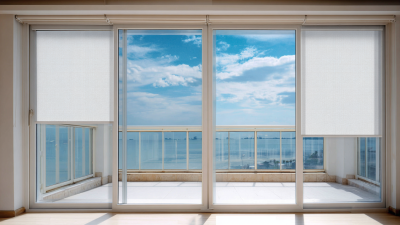
Grand View Research’s global windows and doors market report highlights a growing preference for products that combine comfort, performance, and attractive design. Noise-proof panoramic sliding doors answer these needs by bringing in daylight and broad outdoor views while helping reduce the intrusion of everyday traffic and neighborhood sounds. Their large glass panels can make living spaces feel more open, while well-designed frames, quality seals, and appropriate glazing support a quieter indoor environment.
Choosing a sliding door involves more than comparing the initial price. Better materials and careful construction may cost more upfront, but can provide smoother operation, improved insulation, and lasting performance when properly installed and maintained. For homeowners considering a panoramic design, it is worth checking the glazing specification, frame strength, sealing details, and suitability for the local climate. These practical features can make a noticeable difference to comfort and usability over time. As the market continues to emphasize energy efficiency and refined design, doors that balance expansive views with dependable noise reduction offer a compelling option for modern homes.
Hinged pairs provide a wide opening for groups and furniture deliveries. Check swing clearance on both sides. Measure the approach area, too.
Yes. They save floor space and can bring daylight through glass panels. Glass needs regular cleaning, and clear sightlines may reduce privacy.
They can open much of a wall in conference rooms, cafés, or covered outdoor spaces. Keep grit out of the tracks. It matters.
Confirm project requirements with a qualified professional. A rating applies to the tested assembly, including its frame, seals, hinges, and hardware. Appearance alone is not enough.
Record the structural opening, finished floor level, and clear passage width. Identify the active leaf. Two equal leaves may not suit daily use.
Compare offers against the same details: material, frame depth, finish, glazing, hardware, and installation scope. Ask suppliers to list exclusions. A low total can hide thinner doors.
Request current registration details, relevant certificates, recent project references, samples, and hardware photos. Confirm who makes the doors. A brochure is not proof.
Compare drawings with local project requirements for accessibility, wind, thermal performance, and security. Ask for installation instructions and current test reports. Recheck the details; assumptions slip through.
This guide explores the main types of Double Door systems and how their design and construction suit different settings, from homes and commercial buildings to industrial spaces. It also explains the standards and technical requirements buyers may need to consider, including dimensions, materials, safety features, durability, and performance. Understanding these factors can help global buyers define their needs before comparing suppliers.
The article presents ten supplier options and outlines how to assess their product ranges, manufacturing capabilities, customization services, and export experience. It also offers practical ways to compare quotations by reviewing specifications, lead times, warranty terms, and after-sales support. Finally, buyers can use clear credential checks and consistent evaluation criteria to make informed decisions and identify a supplier that fits their project requirements, budget, and delivery expectations.