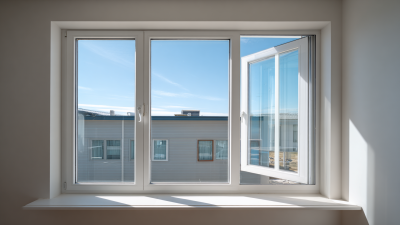
Air sneaking into your home—that’s actually a pretty common problem lots of folks deal with. Basically, when just a tiny crack or gap lets outdoor air get inside, it can make your place feel chilly in the winter or too hot in the summer, plus it boosts your energy bills. Figuring out where those leaks are and fixing them is super important if you want a cozy, comfy home without wasting money.
To get a handle on this issue, it helps to understand how these drafts impact your living space. Often, it's the small cracks around doors, windows, or other spots that are the real culprits. Sealing up those small openings can do wonders for your comfort—trust me, it makes a real difference. It’s easy to overlook tiny gaps, but they add up—meaning you’re probably losing a lot of heat or cool air without even realizing it. If you ignore these leaks, your winter evenings might be pretty frosty, or your summer indoors gets uncomfortably hot.
Sometimes, bringing in a pro like Energy Efficient Solutions can give you a good idea of what needs fixing. But honestly, even simple things like weather stripping your doors or adding some insulation can really help. Don’t underestimate the power of these small tweaks—they can save you money and make your home way more comfortable. Just take a little time to check out the usual trouble spots around your house, and you'll be surprised at how manageable this problem actually is.

Understanding Air Infiltration and Its Impact on Home Energy Efficiency
Air infiltration can significantly affect home energy efficiency. It occurs when outside air leaks into the home, causing higher heating and cooling demands. This leads to energy waste, increased utility bills, and discomfort. Drafty windows, gaps in doors, and holes in walls are common culprits. They allow cold air in during winter and hot air in summer, disrupting your home’s climate control.
Assessing your home for air leaks is essential. Often, simple fixes like weather stripping, door sweeps, and caulk can effectively reduce unwanted airflow. Sealing these gaps can enhance comfort. However, not all solutions are flawless. Some homeowners may overlook small openings. These seemingly trivial spaces can add up. Insulation plays a vital role too. Poorly insulated attics or walls can exacerbate the problem. Regularly checking and upgrading insulation can make a more significant impact. Efficient energy use is crucial, not just for your budget, but for the environment too.
Top 10 Tips to Reduce Air Infiltration in Your Home
| Tip |
Description |
Estimated Savings (%) |
Cost to Implement ($) |
| Seal Gaps and Cracks |
Use caulk or expanding foam to seal gaps around windows, doors, and vents. |
15% |
50 |
| Upgrade Weatherstripping |
Install new weather strips on doors and windows to prevent leaks. |
10% |
100 |
| Insulate Attic |
Increase insulation in the attic to stop heat from escaping. |
20% |
800 |
| Install Door Sweeps |
Place door sweeps on exterior doors to block drafts. |
5% |
30 |
| Check for Attic Bypass |
Seal ducts, vents, and pipes that penetrate the attic. |
12% |
200 |
| Install Insulated Windows |
Upgrade to double or triple-pane windows for better insulation. |
25% |
4000 |
| Use Exhaust Fans Wisely |
Turn off exhaust fans when not in use to prevent air leaks. |
8% |
0 |
| Maintain Heating System |
Regularly check and maintain your heating system to ensure efficiency. |
10% |
150 |
| Close Off Unused Rooms |
Seal doors and vents in unused spaces to limit air movement. |
6% |
0 |
| Conduct a Home Energy Audit |
Hire a professional to evaluate and recommend air sealing improvements. |
Variable |
300 |
Common Sources of Air Infiltration in Residential Structures
Air infiltration is a common issue in homes, often leading to increased energy costs. Windows and doors are frequent culprits. Poor sealing can let in cold drafts during winter. It’s essential to check around the frames for gaps. A slight crack might seem harmless, but it can significantly impact comfort.
Attics and basements are other troublesome areas. Unsealed ducts can leak conditioned air. If insulation is lacking, cold or hot air can infiltrate. Noticeable temperature swings can alert you to these issues. Walls may also harbor hidden leaks. Old wiring and plumbing can create unintentional openings.
Addressing these sources requires diligence. Regular inspections can reveal imperfections. Many homeowners overlook their foundations, which can also let in air. Sealing cracks and reinforcing seals around windows can be a game changer. Ignoring these points can lead to discomfort and higher bills. Identifying the problem is a crucial step towards creating a more energy-efficient home.
Evaluating Your Home for Air Leaks: Tools and Techniques
Evaluating your home for air leaks is crucial. Begin with a visual inspection around windows and doors. Check for gaps and cracks; these are common culprits. Use a flashlight to find hidden leaks in dark corners. Don’t rush this step. Take your time to ensure you spot every potential trouble spot.
To enhance your evaluation, consider using a blower door test. It measures how air flows through your home. If you notice strong drafts, mark those areas. Another approach is to use smoke pencils. They show the movement of air, revealing leaks that need attention. Be aware, this process may take longer than expected, but it pays off in energy savings.
Even after your initial evaluation, leaks can still exist. Look at outlets, vents, and ducts. Simple tools like a tissue can help identify airflow. If it moves, you have a leak. Evaluate your findings without judgment. Every home has imperfections. Addressing these can lead to a cozier, more efficient living environment.
DIY Solutions for Sealing Drafts and Reducing Air Infiltration
Home air infiltration can significantly increase energy costs. According to the U.S. Department of Energy, air leaks can account for 25% to 40% of a home's heating and cooling energy use. Tackling drafts is essential for comfort and energy efficiency.
DIY solutions are an effective way to seal leaks. Start with weatherstripping around windows and doors. This simple task can reduce drafts significantly. Caulking cracks in exterior walls is another easy fix. Research shows that sealing these gaps can save homeowners up to 20% on heating bills. You can also use door sweeps to block air under doors. They are inexpensive and easy to install.
Consider insulated curtains or thermal blinds. They can keep your home warmer in winter and cooler in summer. Check for gaps in your attic or basement. Proper insulation is often overlooked but is crucial. Attics should have adequate insulation thickness. Many homes fall short of recommended levels. Assessing these areas can reveal where you may be losing money. Each step in sealing drafts matters. Small efforts can lead to significant savings over time.
Professional Strategies: When to Call an Expert for Air Sealing
When it comes to air sealing in your home, knowing when to call an expert is crucial. Many homeowners underestimate air infiltration, which can account for nearly 30% of energy usage, according to the U.S. Department of Energy. Without proper sealing, you may experience drafts and increased energy bills. Experts can assess your home’s insulation and sealing needs effectively.
Professional strategies often include a blower door test. This test identifies air leaks by measuring the air pressure in your home. Certified professionals can pinpoint problem areas like windows, doors, and basements. It is reported that homeowners can save as much as 15% on heating and cooling costs when prioritizing air sealing. If you feel drafts around windows but can’t find where they come from, it might be time to seek help.
DIY solutions may not always provide the best results. Many homeowners attempt to seal gaps with caulk and weatherstripping. However, without addressing larger issues, like insufficient insulation, these efforts might yield minimal improvements. Hiring an expert can help address underlying problems. An investment in professional air sealing could lead to significant comfort and savings long-term.
Benefits of Insulation in Controlling Air Infiltration
Proper insulation is vital to reduce air infiltration in homes. It can significantly lower energy costs.
According to the U.S. Department of Energy, air leaks can waste
20-30% of a home's heating and cooling energy. This means your bills could be
much lower with proper insulation.
Insulation acts like a barrier. It helps maintain a stable indoor temperature. However, not all insulation
is created equal. Some materials perform better than others in different climates. A significant number of
older homes lack adequate insulation. This oversight can lead to drafts and discomfort. Inadequate insulation
might be easily overlooked but has costly consequences on efficiency.
Sealing air leaks around windows, doors,
and attics works hand-in-hand with insulation. While insulation reduces air movement,
sealing prevents leaks. A 2020 report from the National Renewable Energy Laboratory
suggests that a combination of both can improve energy performance by up to 30%.
Each home is unique. It requires a tailored approach to achieve optimal efficiency.
Understanding your space is key, yet many homeowners may neglect a thorough assessment.
This can lead to missed opportunities for savings.
Maintaining Air Quality While Reducing Infiltration: Best Practices
Reducing air infiltration is essential for maintaining good indoor air quality. Many homes leak air through gaps in windows, doors, and walls. This can lead to drafty rooms, excessive energy costs, and poor air quality. To tackle this, homeowners can start by examining the most common areas for leaks. These include windows, baseboards, and electrical outlets.
Sealing small gaps with caulk can provide immediate benefits. Choosing environmentally friendly sealants can help maintain air quality. For larger openings, weather stripping is a simple solution. However, it's important to remember that sealing too tightly could restrict fresh air flow. Ventilation is crucial for a healthy living space. Thus, consider using balanced ventilation systems to ensure a steady exchange of air.
Moreover, frequent checks on your home's air quality are vital. Using air quality monitors can help you identify issues early on. If indoor air becomes stale, it might indicate too much sealing. Reflecting on the balance between insulation and air flow is essential. Finding this balance can be challenging, yet it directly impacts comfort and health. Every home is different, and adjustments will vary.
FAQS
: Common causes include windows, doors, attics, basements, and poor insulation. Even small gaps can lead to drafts.
Start with a visual inspection. Check around windows and doors, and look for gaps or cracks in dark areas.
It measures how air flows in and out of your home. Experts use it to locate air leaks effectively.
Use a flashlight and a tissue. If the tissue moves near outlets or ducts, you may have a leak.
If you notice drafts but can't find the source, it might be time to call an expert for help.
Effective air sealing can save homeowners up to 15% on heating and cooling bills over time.
Yes, even small imperfections can significantly impact comfort and energy costs. Every little bit helps.
They often address visible gaps but may overlook larger issues, such as inadequate insulation, leading to minimal improvement.
Yes, walls, old wiring, and plumbing may conceal leaks, so inspect thoroughly for all potential trouble spots.
Consider sealing visible gaps and reinforce insulation. Regular evaluations can lead to a more comfortable living space.
Conclusion
Air infiltration refers to the unintentional introduction of outside air into a home, which can significantly affect energy efficiency. Understanding common sources of air infiltration, such as poorly sealed windows and doors, is essential for homeowners aiming to improve their comfort and reduce energy costs. Evaluating a home for air leaks can be effectively achieved using various tools and techniques, helping to identify problematic areas.
To mitigate air infiltration, DIY solutions like weatherstripping and caulking offer immediate benefits, while professional strategies may be necessary for extensive issues. Additionally, proper insulation plays a critical role in controlling air exchange and enhancing overall energy efficiency. Homeowners should also consider best practices for maintaining indoor air quality as they work to reduce air infiltration, ensuring a healthy living environment.
 +0086-157 7552 3339
  info@leawod.com