 +0086-157 7552 3339
  info@leawod.com
A plain-language and technical explanation of how thermal break technology works to block heat transfer between indoors and outdoors.
Standard aluminum is one of the most thermally conductive metals available — it transfers heat roughly 1,000 times faster than wood. In a conventional aluminum window frame, heat flows freely from the warm side to the cold side, making your HVAC system work overtime and driving up energy bills.
Thermal break aluminum (also called "断桥铝" in Chinese) solves this problem by inserting a low-conductivity barrier — typically a reinforced polyamide (PA66 nylon) strip — between the inner and outer aluminum profiles. This strip physically interrupts the thermal conduction path, acting like an insulating "bridge breaker" inside the frame.
How heat transfer is blocked inside the frame
Thermal conductivity: PA66 ≈ 0.25 W/(m·K) vs Aluminum ≈ 160 W/(m·K)
A data-driven comparison of energy efficiency, comfort, and long-term cost savings between conventional aluminum and thermal break aluminum window frames.
Pure aluminum has a thermal conductivity of approximately 160 W/(m·K). When used as a window frame without a thermal break, it creates a direct conductive pathway — a "cold bridge" — that bleeds heat out of your building in winter and lets heat flood in during summer.
The result? Higher heating and cooling loads, uncomfortable drafts near windows, persistent condensation on frames, and potential mold growth. Buildings with standard aluminum frames can lose up to 40% more energy through their fenestration compared to thermally broken equivalents.
| 📊 Performance Factor | Standard Aluminum | Thermal Break Aluminum |
|---|---|---|
| Thermal Conductivity | ~160 W/(m·K) | ~0.25 W/(m·K)* |
| U-Value (Frame) | ~5.8 W/(m²·K) | ~1.0 W/(m²·K) |
| Winter Condensation | High Risk | Minimal |
| Energy Bill Savings | Baseline | Up to 40% Less |
| Acoustic Performance | Basic | Enhanced +35% |
| Structural Strength | High | High (Maintained) |
| Cold Bridge Effect | Severe | Eliminated |
| Green Building Compliance | Limited | LEED / Passivhaus |
*Refers to PA66 nylon thermal break strip conductivity
Not all thermal break strips are created equal. We apply strict material selection criteria to ensure our PA66 nylon insulating strips deliver consistent, long-lasting performance across all climatic zones.
We source PA66 nylon strips exclusively from certified suppliers who meet ISO 9001 and EN 14024 standards. Each batch undergoes incoming inspection for dimensional accuracy, tensile strength, and thermal conductivity verification before entering production.
Our thermal break strips incorporate 25% glass fiber reinforcement within the PA66 matrix. This prevents creep deformation under long-term load, maintains dimensional stability across temperature cycles, and ensures the strip does not compress or expand enough to compromise the frame seal over decades of use.
Exposed to UV radiation, thermal cycling, moisture, and cleaning chemicals, inferior strips can degrade and lose their insulating properties. Our PA66 compound includes UV stabilizers and anti-oxidant additives validated through 5,000-hour accelerated aging tests — ensuring 50+ years of reliable performance.
The PA66 strip is mechanically locked into the aluminum profile using a precision roll-in (crimping) process. This creates a permanent, play-free connection with shear strength exceeding 24 kN/m — far above the minimum required by European standard EN 14024 — guaranteeing structural integrity even under wind load and thermal expansion stress.
Beyond basic insulation, our thermal break aluminum window and door systems deliver a comprehensive set of performance advantages that justify the investment for any project.
Achieve U-values as low as 1.0 W/(m²·K) for the frame, meeting or exceeding Passivhaus and LEED Gold requirements. Maintain comfortable interior surface temperatures even in sub-zero climates.
U-value ≤ 1.0By keeping the interior frame surface above the dew point, thermal break aluminum virtually eliminates condensation drips that can cause mold, rot, and structural damage around window openings.
No Cold BridgeThe PA66 nylon strip also acts as a vibration damper. Combined with multi-chamber profiles and quality glazing, our systems achieve sound reduction indices (Rw) up to 45 dB — ideal for urban and airport-adjacent buildings.
Up to 45dB RwOur thermal break aluminum products are engineered to comply with international standards including China GB/T, European EN 14024, North American AAMA/WDMA, and Australian AS 2047 — enabling seamless export and specification worldwide.
Multi-StandardThermal break profiles support slim sightlines, large-format glazing, flush finishes, and a full range of powder coat or anodized colors — allowing architects to achieve striking aesthetics without sacrificing energy performance.
Architect ApprovedAluminum itself is corrosion-resistant and low maintenance. Paired with a UV-stable PA66 thermal break and precision surface finishing, our frames are engineered for 50+ year service life with minimal upkeep — delivering outstanding lifecycle cost value.
50+ Year LifeOur commitment to R&D innovation is reflected in over 200 patents covering window and door installation structures, thermal break composite profiles, waterproofing systems, seamless welding, and advanced manufacturing processes.

Installation Structure of Window & Door

Integrated Thermal Break Wood-Aluminum Composite Profile & Production Process

Door & Window Waterproofing and Drainage Components

Seamless Welding Technology

Door & Window Profile Components (Rounded Corner)

Cavity Foam Filling on Door & Window Frame & Manufacturing Method

Large Panel Lightweight Lifting Technology

Distinguished by scale, intelligence, and specialization, we integrate advanced manufacturing systems with rigorous quality control. Focused exclusively on the door and window industry, we respond rapidly to market demands while emphasizing environmental sustainability, energy efficiency, and R&D-driven innovation.
We integrate modern smart factories and cutting-edge equipment, employing highly automated and precision production processes to create outstanding custom door and window products.
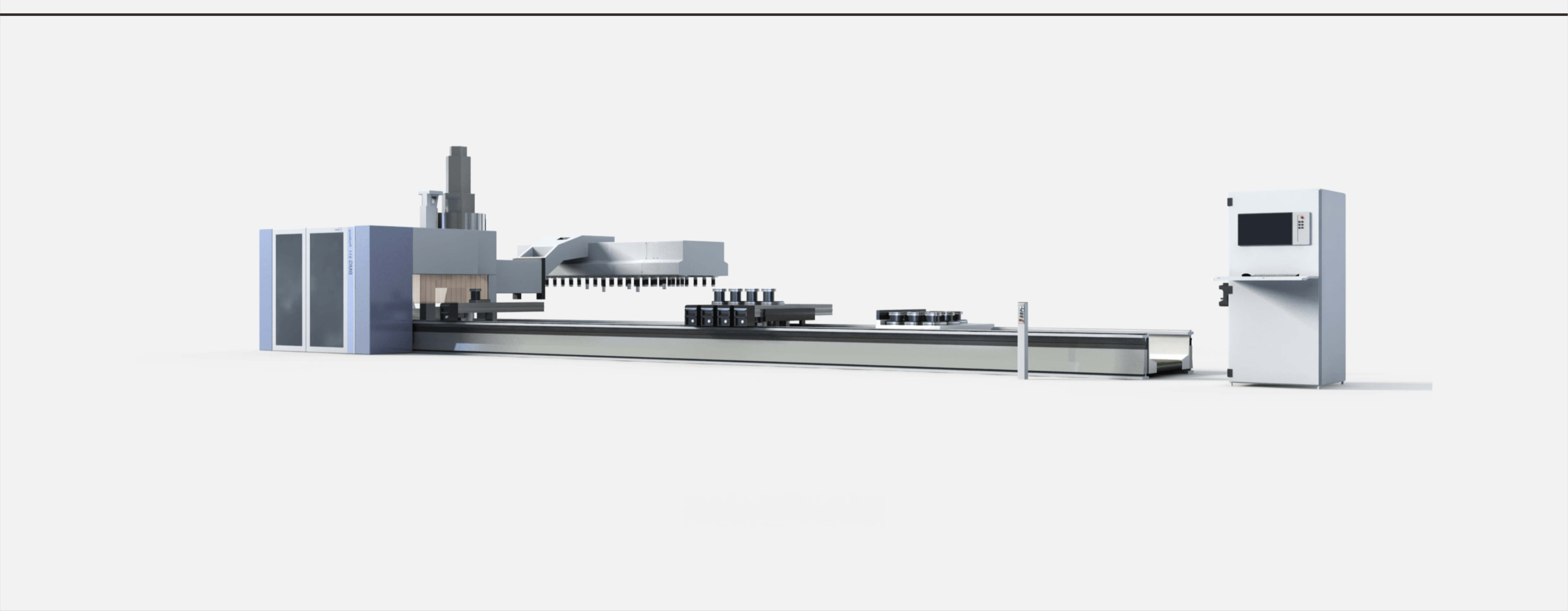


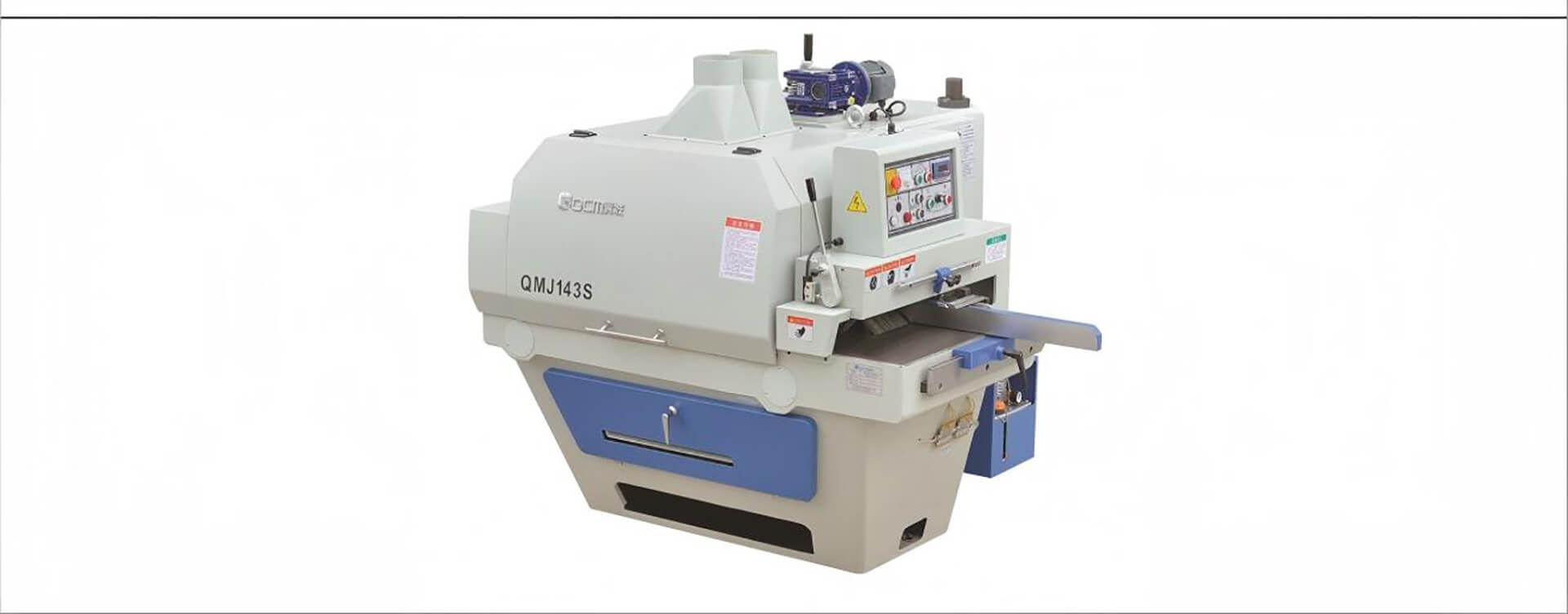

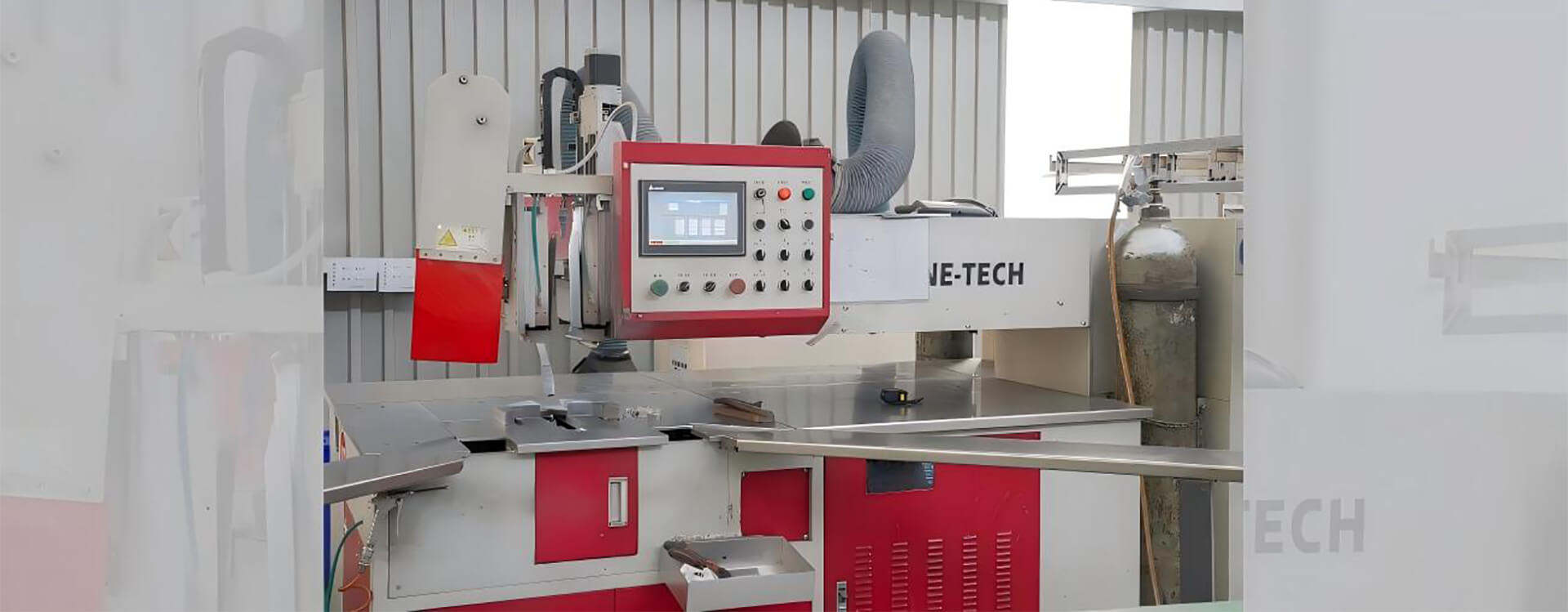


Our products are manufactured to the highest standards, fully complying with mainstream international door and window testing standards applicable in China, the EU, North America, and other regions. We maintain a comprehensive and rigorous product quality inspection system — from incoming raw materials through final shipment.


A thermal break window is a window whose frame incorporates a low-conductivity material — typically PA66 nylon — inserted between the inner and outer aluminum sections. This "break" in the thermal conduction path significantly reduces heat transfer, improving energy efficiency and comfort.
Buildings retrofitted with thermal break aluminum windows typically see HVAC energy consumption reductions of 20–40%, depending on climate, glazing specification, and building envelope. In heating-dominated climates, the payback period is often under 7 years.
PA66 glass-fiber reinforced nylon is the industry gold standard for aluminum window insulation strips. It offers the optimal combination of low thermal conductivity (~0.25 W/m·K), high mechanical strength, UV resistance, and long-term dimensional stability across a wide temperature range.
Yes. The roll-in crimping process used to lock the PA66 strip into the aluminum profile creates a composite section with shear strength exceeding 24 kN/m per EN 14024. Thermal break frames meet the same wind load and structural performance requirements as conventional aluminum frames.
Whether you are an architect specifying a passive house project, a developer seeking LEED-compliant fenestration, or a homeowner wanting to cut energy bills — our expert team is ready to help you find the right thermal break aluminum window and door solution.
📩 Request a Free Consultation


