 +0086-157 7552 3339
  info@leawod.com

If you are shopping for new windows in 2026, you have probably seen the terms U-factor, SHGC, and Low-E. They sound technical — and they are — but understanding them is the fastest way to stop overpaying for windows that look good but quietly waste energy every month.
Why trust this guide? LEAWOD is a China-based manufacturer of premium aluminum and wood-aluminum windows, backed by CSA certification and recognized with Red Dot and iF design awards, plus 106+ national patents and 25+ years of ODM experience.
What Makes a Window "Energy Efficient"?
An energy-efficient window keeps conditioned air in and outside temperature, noise, and UV out. Five standardized numbers define performance:
- · U-factor: Heat conduction rate; lower is better. High-performance windows reach 0.20–0.30.
- · SHGC: Solar heat admitted (0–1). Low blocks summer heat; higher harvests winter warmth.
- · VT: Visible light transmitted. Higher means more daylight.
- · Air Leakage: Air through joints; lower is better — where tight, welded corners matter.
- · Condensation Resistance: Higher means less interior condensation and mold risk.
Quick rule: chase a low U-factor first, then tune SHGC to your climate.

Glass Matters Most: Low-E, Argon & Glazing
Glass is roughly 70–80% of a window's surface, so the glazing package drives most of the performance:
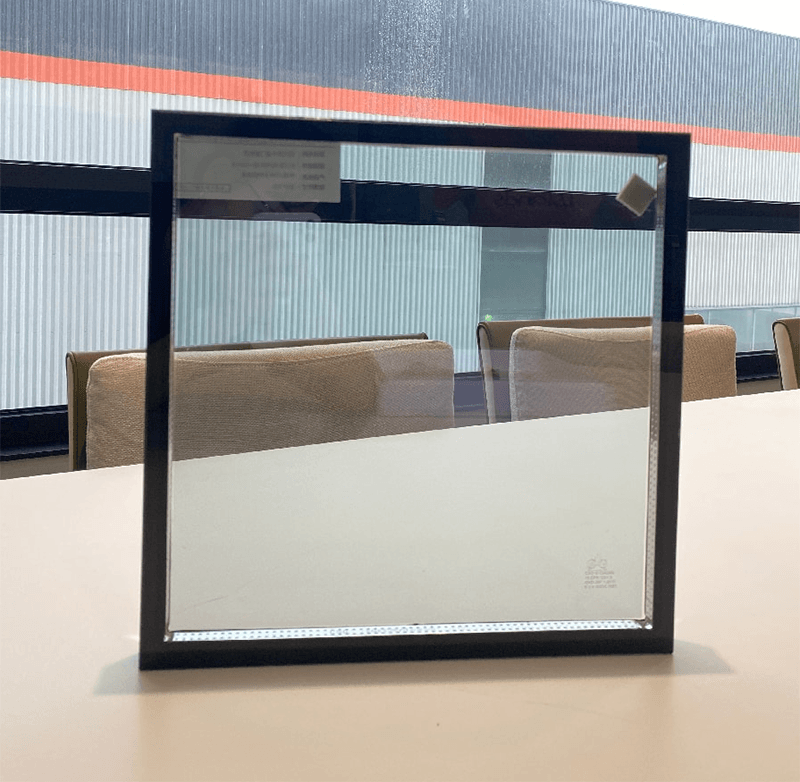
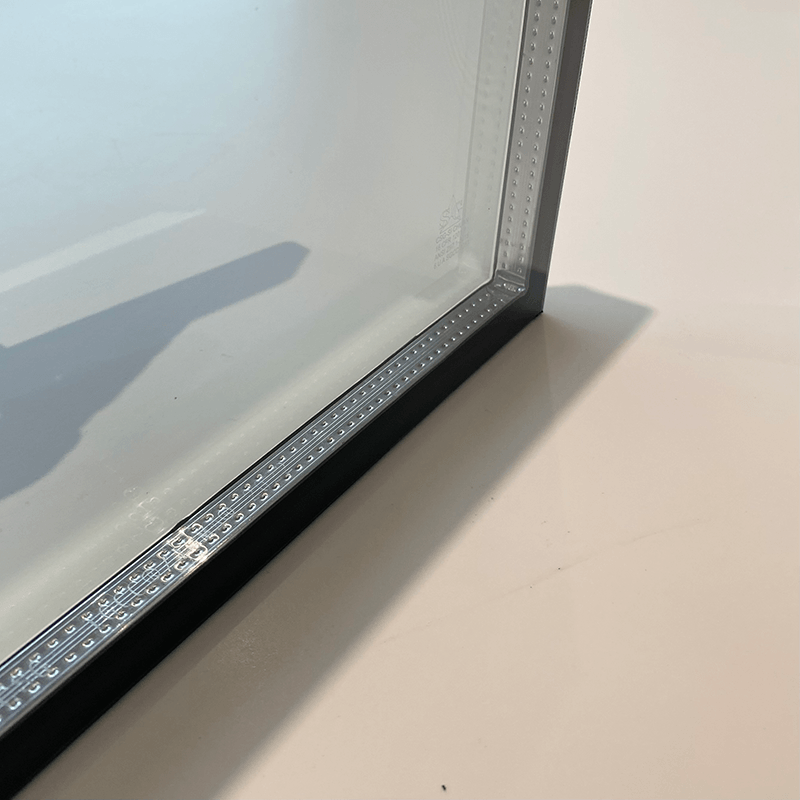
1. Low-E coating — invisible metallic layer that reflects infrared heat while letting light through, controlling SHGC.
2. Argon (or krypton) gas fill — inert gas between panes that slows heat transfer far better than air.
3. Warm-edge spacer — keeps the glass edge warm, eliminating the cold perimeter that causes condensation.
Double glazing is the baseline; triple glazing adds a cavity for superior insulation and sound — increasingly common as 2026 codes tighten.
Don't Forget the Frame: Thermal Breaks & Wood-Aluminum
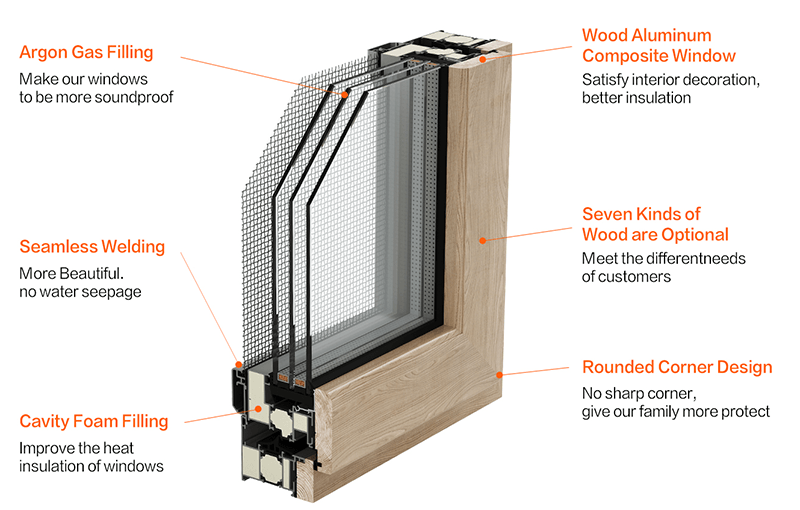
Even perfect glass fails in a cold, conductive frame. High-performance windows use a thermal break — an insulated strip inside the metal that stops heat short-circuiting through the frame.
The premium answer is wood-aluminum composite: UV-resistant aluminum outside, warm low-conductance wood inside — metal's weather durability with timber's comfort, none of all-wood's upkeep. LEAWOD's wood-aluminum windows use a patented composite system built over 25+ years.
Construction quality closes the loop. Mechanically joined corners can leave micro-gaps that leak air and water. LEAWOD's R7 seamless whole-welding fuses corners into one continuous profile — no gaps, no sharp corners, fewer paths for air and moisture. Less infiltration means the U-factor you paid for is the U-factor you get.
Real-World Savings: What Efficient Windows Actually Deliver
Not hype. The U.S. Department of Energy says heat gain and loss through windows drives 25%–30% of residential heating and cooling energy use. Upgrading to certified efficient windows is one of the highest-impact home changes you can make.
ENERGY STAR estimates replacing old single-pane windows with certified models saves $101–$583 per year, depending on climate and home. In extreme climates the comfort difference — steady temperatures, no drafts, quieter rooms — often arrives before the bill does. In optimized homes, advanced glazing and smart shading can cut energy costs by up to 30%.
LEAWOD angle: We stack performance-rated glazing, thermal-break and wood-aluminum frames, and seamless-welded corners that minimize air leakage and thermal bridging — a window whose real-world performance tracks its stated specs.
2026 Energy Codes You Should Know
Efficiency is mandatory in more markets. Across 2026, stricter codes reshape design: triple glazing standard in cold regions, solar-control glazing required in hot ones, and whole-product certification (such as CSA or regional standards) increasingly mandatory for permits. Specifying code-compliant windows up front prevents costly rework.
If specifying for a project, start with the climate zone and applicable code (IECC in the U.S., provincial codes in Canada), then match U-factor and SHGC thresholds. Our team can supply the documentation you need.
Post time: Aug-26-2026


